

In an era of rapid globalization and technological advancement, the manufacturing industry faces tremendous pressure to transition from traditional models to modern, intelligent, and sustainable practices. As consumer demand for personalized, eco-friendly, and high-quality products continues to rise, the challenge for companies is how to improve product quality and production efficiency while also achieving environmental protection and efficient resource utilization. In the future, intelligent production and green manufacturing will be key driving forces for the entire industry.
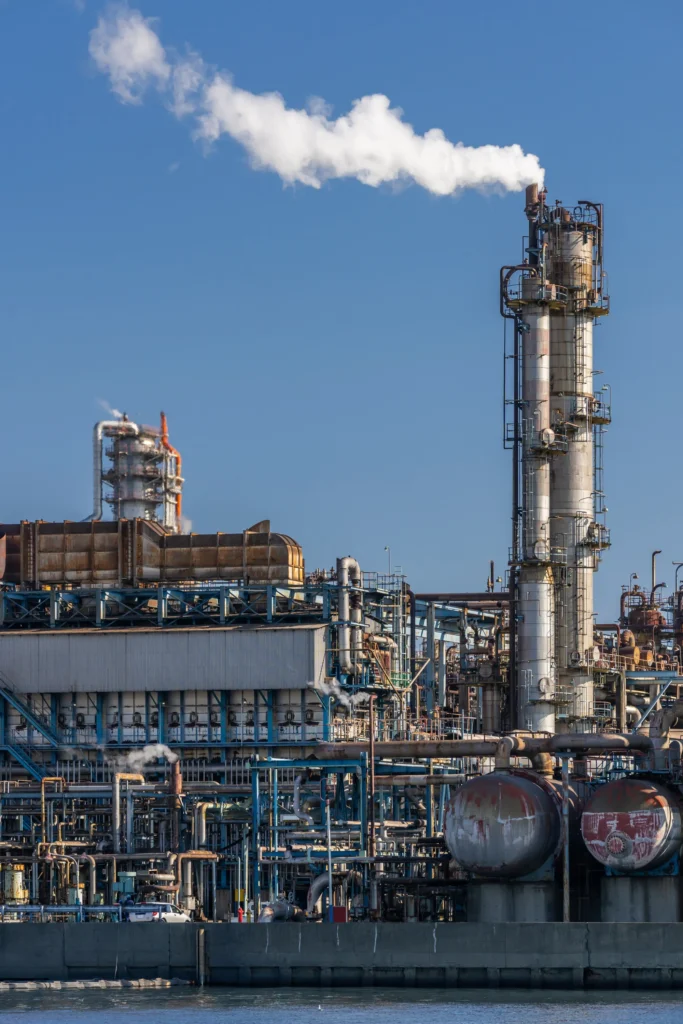
Intelligent Transformation: Enhancing Productivity and Precision
Intelligent technology is revolutionizing manufacturing processes. By introducing advanced automation, artificial intelligence, and the Internet of Things (IoT), every stage of the production process can be monitored and analyzed in real time. Intelligent production not only increases efficiency but also ensures the precision and consistency of products. Compared to traditional manual operations, intelligent systems effectively reduce human error and minimize defects, significantly improving overall product quality.
Key Advantages of Intelligence:
- Increased Production Efficiency: With automated production lines and intelligent management systems, companies can achieve more efficient and flexible production processes, quickly responding to market demand changes.
- Precise Control and Quality Assurance: Intelligent technology allows for precise control of the production process, ensuring that every product meets design specifications, which greatly improves product consistency and quality.
Green Manufacturing: Achieving Sustainable Development
With growing environmental awareness, green manufacturing has gradually become a critical trend in global manufacturing. Traditional high-energy, high-pollution production methods no longer meet current environmental standards. Companies must find new ways to reduce the consumption of natural resources and minimize environmental impact. Green manufacturing not only complies with environmental regulations but also enhances brand image and market competitiveness.
Pathways to Green Manufacturing:
- Efficient Resource Utilization: By optimizing production processes and equipment, companies can reduce energy waste and increase resource efficiency, helping to achieve energy savings and emission reductions, thus promoting green development.
- Choice of Eco-Friendly Materials: Using biodegradable and recyclable materials reduces pollution during the production process and minimizes negative impacts on the ecosystem.
Efficient Customization: Responding to Market Demands
With the growing diversity and individualization of consumer demands, customized production has become a key direction for the manufacturing industry. From customized home products to exclusive electronic devices, the demand for personalized products is driving a shift in production models. Companies are no longer satisfied with mass-standard production but are adopting flexible production methods and efficient production lines to meet the personalized needs of every consumer.
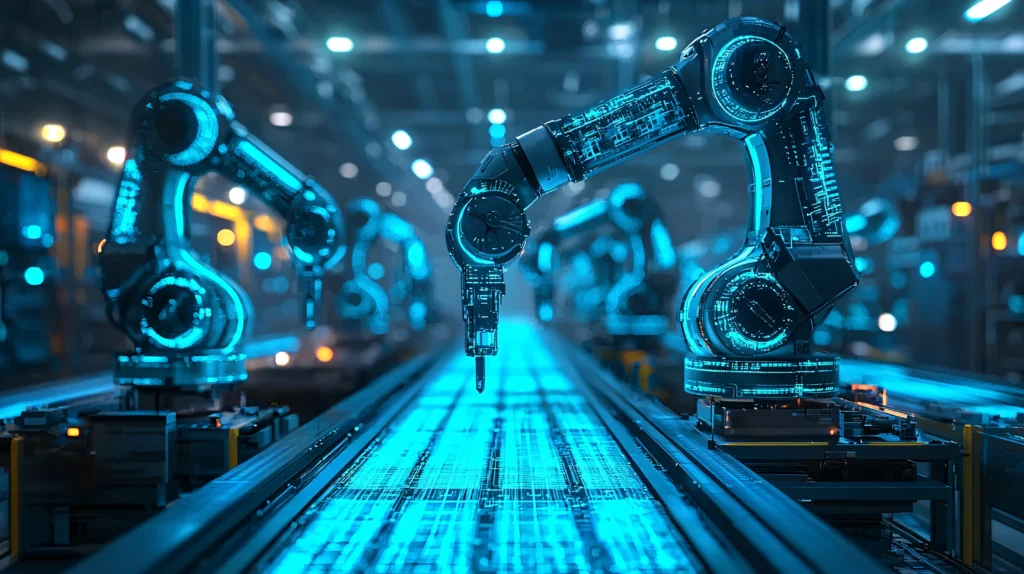
Advantages of Customization:
- Quick Response to Market Changes: Through customized production, companies can quickly respond to specific market demands, offering high-quality, small-batch production that ensures product uniqueness.
- Enhanced Customer Experience: By providing personalized product designs and customization services, companies can enhance the customer purchase experience, increase customer loyalty, and elevate brand value.
Digital Transformation: Improving Business Management Efficiency
Digital transformation is not limited to the production process; it also extends across the entire operation and management of businesses. By using digital management platforms, companies can integrate resources and share information across departments and regions, improving decision-making efficiency and management transparency. Moreover, digitalization helps businesses monitor production processes in real time, identifying and solving issues promptly, which reduces resource waste in production.
Impact of Digital Transformation:
- Precise Decision-Making Support: By leveraging data analysis and big data applications, companies can more accurately forecast market trends and make informed production plans and management decisions.
- Enhanced Management Efficiency: Digital platforms help companies achieve efficient supply chain management, inventory management, and order tracking, thereby improving overall operational efficiency.
Conclusion
In the face of increasingly intense market competition, the combination of intelligent production and green manufacturing will be the mainstream trend for future manufacturing. By improving production efficiency, reducing energy consumption, using eco-friendly materials, and responding to personalized needs, companies can position themselves advantageously in the market. The future of manufacturing will not only focus on higher productivity but will also need to prioritize sustainable development, walking a path of low-carbon green growth that delivers both economic and environmental benefits.