

As silicone and electronic components jointly build flexible sensing systems, and as sewing technology collides with 3D printing to spark the vitality of customization, the global sewing, injection molding, and silicone industry has entered an innovative cycle of “cross-border integration”. Breaking away from the single manufacturing attribute, the industry has opened up multiple high-growth paths in niche segments by deeply integrating with technology and consumer scenarios.
I. Technology Cross-Border: Mutual Empowerment of Materials and Technologies
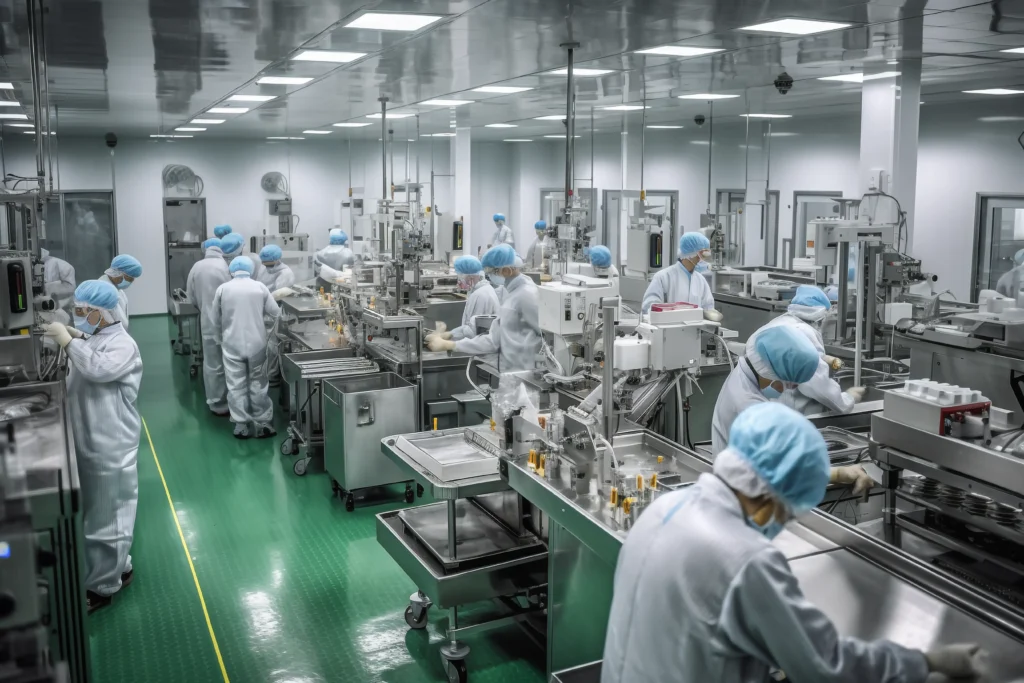
Silicone + Electronics: Flexible Sensing Opens New Tracks
Technological breakthroughs in conductive silicone have promoted in-depth integration between the industry and the electronic field. Modified silicone with added graphene can achieve stable electrical signal transmission and has been widely used in the touch areas of flexible keyboards and smart gloves. The market size of such cross-border products is growing at an annual rate of 68%. The silicone-based flexible sensor developed by Japanese enterprises has a thickness reduced to 0.1mm, which meets the close-fitting needs of wearable devices. It has been included in the supply chain systems of Apple and Huawei, with a unit price more than three times that of ordinary silicone products.
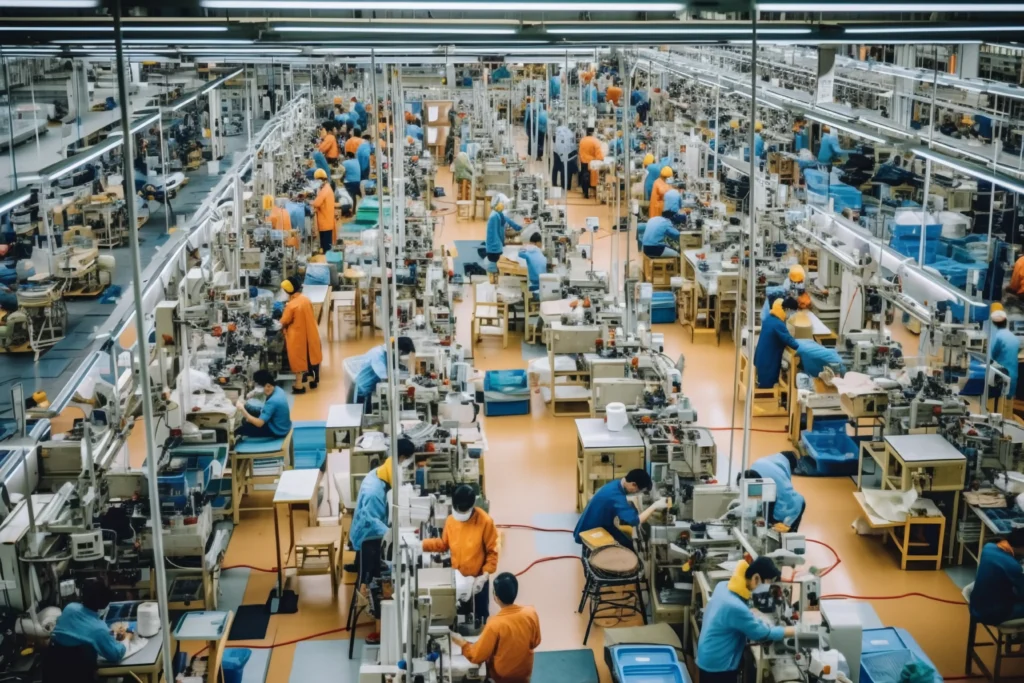
Injection Molding + 3D Printing: Customized Production Reaches End Users
The combination of 3D printing and injection molding technology has solved the contradiction between customization and large-scale production. The “3D printed mold + rapid injection molding” solution launched by a U.S. startup has shortened the production cycle of customized parts from 15 days to 48 hours, with a 50% cost reduction. It has been applied to the production of personalized injection molding accessories for high-end furniture. In the medical field, after obtaining patient data through 3D scanning, the customized injection-molded silicone prosthetic liners have a 40% improvement in fit, with an annual penetration rate growth of 22% in the European and American markets.
II. Scenario Deep Cultivation: Consumer Demand Drives Product Innovation
The outdoor adventure scenario has promoted the composite application of “sewing + injection molding + silicone”. Mountaineering backpacks adopt injection-molded hard shell protection, silicone waterproof zippers, and sewn wear-resistant fabrics, which can withstand -20℃ low temperatures and heavy rain environments. The annual sales of such products by North American outdoor brands have exceeded 200 million U.S. dollars. The maternal and infant scenario focuses on safety and convenience. Foldable silicone food containers with sewn anti-scald sleeves have passed the EU AP standard certification, with a market share of over 35% in Southeast Asia. Innovation in the office scenario is also remarkable. Ergonomic chairs combining injection-molded frames and sewn fabrics have become the mainstream configuration in European and American office buildings, relying on the self-adaptive adjustment function of silicone lumbar pillows.

III. Model Upgrade: From Product Supply to Solution Output
International enterprises have shifted from simple product supply to overall solution output. Henkel provides chain hotels with integrated bathroom sets of “silicone seals + injection-molded bathroom accessories + sewn fabrics”, including installation and after-sales services, with a premium rate 60% higher than that of separate sales. Small and medium-sized enterprises focus on vertical scenarios. A Thai manufacturer customizes “silicone cup lids + injection-molded cup bodies + sewn cup sleeves” combinations for chain coffee shops, adjusting colors and materials according to different store styles, with a customer renewal rate of 90%.
IV. Innovation Bottlenecks and Breakthrough Directions
Current cross-border innovation faces dual challenges of technology compatibility and cost control. The stability of conductive silicone still needs to be improved, and the equipment investment for 3D printing injection molding is relatively high. Future breakthrough directions focus on two aspects: first, the development of universal cross-border materials, such as standardized silicone substrates that can adapt to multiple electronic components; second, the construction of industrial sharing platforms, through which small and medium-sized enterprises can share 3D printing equipment and testing instruments to lower the threshold for innovation. With the maturity of technology, cross-border integration will become the core driving force for industrial growth.