

When the digital model of a sewing workshop instantly alerts to abnormal fabric tension, the virtual replica of an injection molding machine predicts mold wear in advance, and the twin system of a silicone production line accurately simulates molding effects under various conditions—digital twin technology is breaking down the barriers between the physical and virtual worlds, bringing disruptive changes to three fundamental manufacturing processes: sewing, injection molding, and silicone processing. The extensive traditional manufacturing model of “relying on experience for adjustments, manual inspections, and post-fault remedies” is fading away. Instead, the digital twin system, centered on “virtual simulation optimization, real-time data-driven operations, and full-process predictive maintenance,” has become the core engine for improving process precision and reducing production costs.
I. Technological Breakthrough: Digital Twin Restructures Process Management Logic
A digital twin is not merely a “digital copy”; it integrates real-time data on equipment operation, material status, and environmental parameters collected via the Internet of Things (IoT), combined with 3D modeling and simulation technologies, to build a 1:1 virtual model that mirrors the physical system. This enables a closed-loop management cycle of “virtual deduction – physical execution – data feedback – model iteration.” According to the “Global Industrial Digital Twin Development Report,” manufacturing enterprises adopting digital twins in 2024 achieved an average 35% increase in production efficiency, a 52% reduction in equipment failure rates, and a 40% shortening of new product R&D cycles.
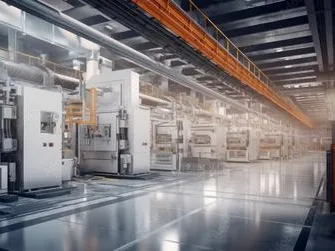
The value reconstruction of this technology for the three core processes manifests in three dimensions: for sewing, it solves the problems of “difficult pattern adaptation and high fabric waste”; for injection molding, it addresses the pain points of “lengthy mold debugging and poor parameter matching”; for silicone processing, it breaks through the bottlenecks of “unpredictable curing effects and low batch stability.” For instance, in the production of automotive silicone seals, digital twins can simulate the curing process under different temperatures and pressures, locking in optimal parameters in advance and increasing batch qualification rates from 92% to 99.5%.
II. Process-Specific Implementation: Scenario-Based Application Paths of Digital Twins
Different processes have distinct technical characteristics and production pain points, so the implementation of digital twins requires “customized solutions.” From the deployment of data collection terminals to the parameter setting of simulation models and the focus on application scenarios, the three core processes have developed unique digital upgrading schemes.

2.1 Sewing Process: Virtual Test Sewing + Real-Time Regulation for Dual Breakthroughs in Cost Reduction and Quality Improvement
The core pain points of the sewing process lie in the significant differences in fabric properties and high reliance on manual operations. Digital twins achieve precise management through “virtual preview and dynamic regulation.” On the virtual side, a digital model is built based on the physical properties of the fabric (elasticity, thickness, wear resistance) to simulate molding effects under different sewing speeds, stitch lengths, and stitch types in advance. This optimizes pattern design and sewing paths, avoiding the repeated trial-and-error of the traditional “sample garment first, then modification” approach.
On the physical execution side, sewing equipment is equipped with tension sensors and visual recognition modules to collect real-time data on fabric stretching and stitch quality, which is synchronized to the virtual model. When abnormal fabric tension occurs (such as over-stretching of elastic fabrics), the system can automatically adjust the fabric feeding speed or send early warnings to operators. After adopting this system, an outdoor apparel enterprise increased fabric utilization from 82% to 95%, reduced stitch defect rates from 8% to 1.2%, and boosted the daily output of a single production line by 28%.
2.2 Injection Molding Process: Full-Process Simulation + Predictive Maintenance to Break Production Bottlenecks
The production efficiency of injection molding is directly linked to mold status and parameter matching. The core value of digital twins lies in “mold life prediction” and “molding parameter optimization.” By installing temperature, pressure, and vibration sensors in mold cavities, heating systems, and hydraulic devices, real-time data is collected to build a virtual mold model. This accurately monitors mold wear and stress distribution, providing early warnings for maintenance needs and reducing unplanned downtime caused by sudden mold failures from an average of 48 hours to 2 hours.
In terms of parameter optimization, based on the melting properties of different resin materials (PP, ABS, PC, etc.), virtual simulations test product molding effects under varying injection speeds, holding times, and cooling temperatures to quickly lock in the optimal parameter combination. When producing refrigerator door handles, a home appliance injection molding enterprise used digital twins to reduce parameter debugging time from 4 hours to 20 minutes, cut product shrinkage rates from 5% to 0.3%, and lower unit production costs by 12%.
2.3 Silicone Process: Environmental Simulation + Batch Traceability to Enhance Stability and Compliance
Silicone processing is extremely sensitive to environmental parameters such as temperature and humidity, and industries like medical and food contact have strict requirements for product safety. Digital twins provide dual guarantees through “full-scenario simulation and full-lifecycle traceability.” Before production, the virtual model can simulate curing effects under different workshop temperatures, humidities, and silicone mixing ratios, predicting key indicators such as product hardness and elasticity to avoid batch disqualification caused by environmental fluctuations.
During production, data including the origin, composition, and mixing time of each batch of silicone raw materials, as well as equipment operating parameters and testing results, are synchronized to the digital twin system in real time to generate a unique traceability code. In the event of quality issues, the problematic link—whether it is raw material composition deviation or abnormal curing temperature—can be identified within 30 seconds. After applying this system, a medical silicone enterprise successfully passed FDA certification, reduced batch traceability time from 2 hours to 1 minute, and cut customer complaint rates by 65%.
III. Case Study: Full-Process Digital Twin Transformation of an Electronics Contract Manufacturer
To meet the demands of consumer electronics for “fast updates, high precision, and small batches,” a global electronics contract manufacturer deployed digital twin systems across its three core processes—sewing (electronic device covers), injection molding (housing components), and silicone processing (buttons and gaskets)—achieving collaborative upgrading.

In the sewing workshop, a digital fabric database and virtual test sewing system enabled rapid matching of sewing solutions for device covers of different brands, shortening new product pattern-making time from 5 days to 1 day. In the injection molding workshop, the digital twin mold model realized real-time status monitoring and maintenance warnings for 10 sets of molds for different housing specifications, increasing Overall Equipment Efficiency (OEE) from 65% to 88%. In the silicone workshop, environmental simulation and parameter optimization controlled the consistency error of button feel within ±0.2N, meeting the strict requirements of high-end electronic devices.
After the transformation, the proportion of customized orders undertaken by the manufacturer increased from 30% to 65%, overall production costs decreased by 22%, and it became a core supplier for brands such as Apple and Samsung, achieving a 40% annual revenue growth.
IV. Future Trend: AI + Digital Twin Enables Autonomous Decision-Making
The next stage of digital twin development will involve deep integration with Artificial Intelligence (AI), shifting from “passive feedback” to “active decision-making.” AI algorithms will independently learn process optimization rules based on the massive data accumulated by digital twins—when a new order is received, the system can automatically retrieve historical data to generate the optimal production plan; when potential equipment failures occur, it not only issues warnings but also automatically pushes maintenance procedures and spare parts procurement recommendations.
For example, when the sewing workshop switches to a new type of graphene thermal fabric, AI can combine fabric data in the digital twin with historical sewing experience to automatically adjust stitch length, machine speed, and thread tension. In the injection molding workshop, AI systems can independently recommend the most cost-effective resin formulas and production parameters based on raw material price fluctuations, while ensuring product quality. This “data-driven + intelligent decision-making” model will enable manufacturing to truly achieve “flexible, intelligent, and autonomous” production.
For manufacturing enterprises, digital twins are not an optional “technical embellishment” but a “core capability” that must be developed. From the digital modeling of individual equipment to the twin upgrading of entire production lines and the intelligent collaboration of entire factories, only by proactively embracing this transformation can enterprises build technological barriers in the fierce market competition and achieve a value leap from “scale competition” to “technological competition.”