

As consumers increasingly pay a premium for “denim jackets with custom embroidery” and “smart bracelets in exclusive colorways, and as “small-batch trial orders” from small and medium-sized brands become a supply chain norm, the flaws of traditional mass production models have become increasingly prominent. Fixed templates in sewing workshops cannot switch styles quickly; dedicated mold costs in injection molding plants deter small orders; and rigid processes in silicone production lines struggle to meet differentiated design needs—manufacturing is grappling with the core conflict between “mass production” and “personalized demand.” The flexible upgrading of three core processes—sewing, injection molding, and silicone processing—is emerging as the key to resolving this conflict, driving the industry to shift from “standardized supply” to “precision services.”
I. Demand-Side Transformation: The Wave of Personalization Drives Process Upgrading
The surge in personalized demand is no accident, but the combined result of consumption upgrading and the digital economy. According to the “Global Manufacturing Flexibility Development Report,” the global customized consumer market exceeded 1.2 trillion USD in 2024; 63% of consumers are willing to wait 3-7 days for “exclusive designs,” and 78% of brand owners report that “small-batch, high-frequency” orders now account for a larger share than traditional large-batch orders.
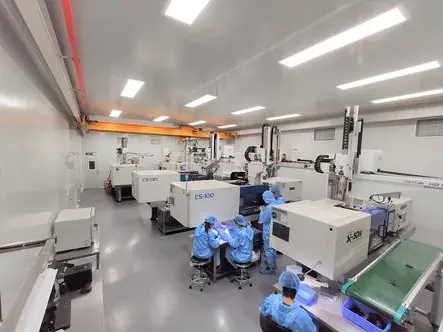
This transformation places new demands on the three core processes: sewing must achieve “minute-level style switching,” injection molding needs to solve the “cost challenge of small-batch production,” and silicone processing must enable “rapid prototyping of multiple specifications and textures.” For example, in the production of silicone accessories for the trendy toy industry, order quantities per style have plummeted from 100,000 units to 5,000 units, with requirements for multiple surface finishes such as matte, glossy, and gradient—traditional rigid production lines simply cannot adapt to such high-frequency, differentiated demands.
II. Flexible Upgrading Paths for Three Core Processes: Technological Innovation Solves Pain Points
Flexible intelligent manufacturing is not merely equipment replacement, but a systematic transformation integrating “equipment intelligence, process modularization, and data synergy.” Tailored to the unique characteristics of sewing, injection molding, and silicone processing, the industry has developed three mature upgrading paths that preserve production efficiency while enabling rapid responsiveness.
2.1 Sewing Process: Modular Workstations + Digital Pattern Making for “Zero Style Waiting”
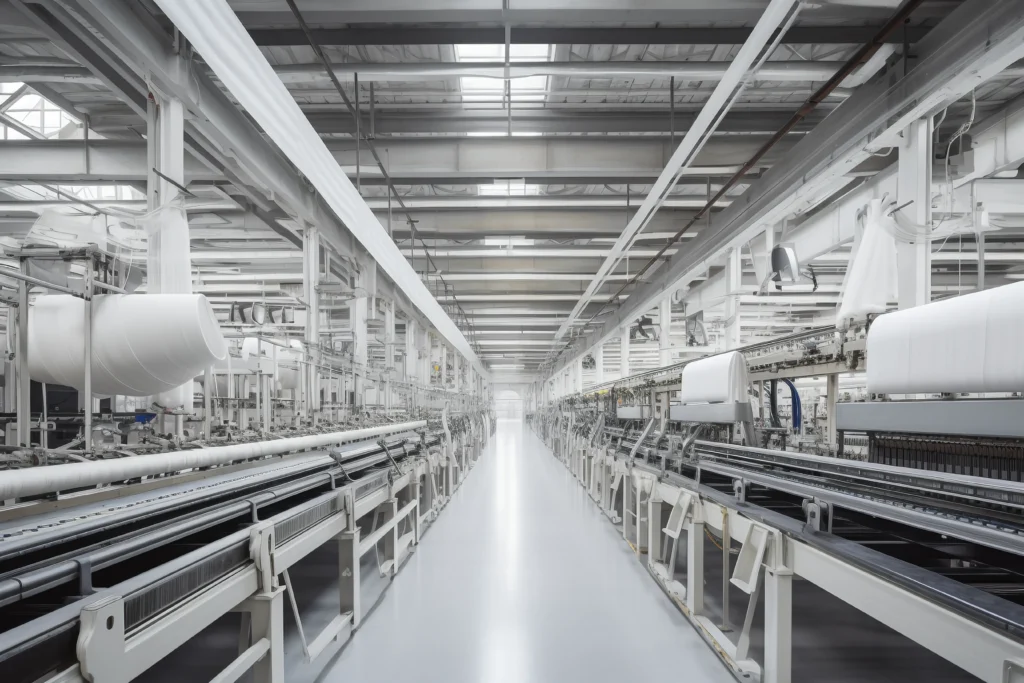
Flexibility pain points in the sewing industry focus on “slow template switching” and “long pattern making cycles.” The solution lies in dismantling traditional fixed production lines into reconfigurable modular units and introducing digital pattern making technology.
Leading apparel enterprises offer representative practices: workshops deploy intelligent sewing machines equipped with “quick mold change devices,” preconfiguring standardized modules for categories such as T-shirts, shirts, and jackets. When switching styles, only the corresponding program needs to be called, reducing equipment setup time from 2 hours to 15 minutes. Digital pattern making systems use 3D modeling to shorten the traditional 7-day pattern making cycle to 1 day; after designers finalize renderings, the system automatically generates production parameters such as sewing paths and fabric consumption, which are directly synced to workshop equipment.
After adopting this solution, a European garment factory increased production efficiency for small-batch orders (100-500 units) by 40%, shortened order lead times from 15 days to 7 days, successfully secured custom orders from multiple global influencer brands, and boosted profit margins by 25% compared to traditional mass production.
2.2 Injection Molding Process: 3D-Printed Molds + Co-Injection Technology Lower the “Small-Order Cost Threshold”
Flexibility bottlenecks in injection molding center on “high mold costs” and “difficult material switching.” A single traditional steel mold can cost tens of thousands of dollars and cannot adapt to multiple specifications. The combination of 3D-printed rapid molds and co-injection technology has made small-batch production feasible.
3D-printed molds use materials such as photosensitive resin, costing only 1/10 of traditional steel molds and reducing production cycles from 1 month to 3 days. Although their service life is shorter (approximately 500-1,000 cycles), they fully meet small-batch order needs. Co-injection technology enables simultaneous molding of multiple materials or colors in a single mold—for example, producing phone cases with “hard shell bodies + soft rubber anti-slip edges” in one step, eliminating the need for subsequent assembly and significantly improving production efficiency for differentiated products.
A Southeast Asian injection molding enterprise serving smart home brands uses 3D-printed molds to produce customized casings, with minimum order quantities per style as low as 300 units. Mold costs are controlled below 300 USD, representing an 80% savings compared to traditional methods, successfully unlocking the custom market for small and medium-sized brands.
2.3 Silicone Process: Flexible Molds + Parameterized Control for “Rapid Multi-Specification Switching”
Flexibility requirements in silicone processing manifest in “diverse textures” and “variable specifications,” where traditional steel mold molding struggles to balance cost and efficiency. The application of flexible molds and intelligent parameter control systems has become the key breakthrough.
Flexible molds made of polyurethane can quickly replicate different textures (such as leather grain and frosted finish), with production cycles of only 2 days and costs less than 1/5 of traditional steel molds. Intelligent parameter control systems use sensors to monitor silicone viscosity and temperature in real time, automatically matching optimal molding parameters for silicone materials of different hardness and colors. A silicone products factory producing smart watch straps can switch between “children’s, adult, and elderly models” within 1 hour, while rapidly adjusting materials between “soft skin-friendly” and “hard sports” versions.
More notably, the factory combines flexible molds with 3D scanning to offer “wrist-customized” services. By scanning users’ wrist data, it quickly produces straps with better fit, achieving a 50% premium on custom orders and establishing a core advantage in differentiated competition.
III. Case Study: Flexible Supply Chain Transformation of a Sports Brand
An internationally renowned sports brand once lost a large number of young consumers due to “slow response to personalized demands.” After launching a full-process flexible upgrade in 2023, it successfully transformed from “mass production” to “on-demand customization.”
In the garment sewing segment, it built modular production workshops, splitting processes such as cutting, sewing, and overlocking into independent units. Automated Guided Vehicles (AGVs) enable flexible connection between processes, allowing a single production line to manufacture 5 different styles of sportswear simultaneously and reducing costs for small-batch orders (under 200 units) by 30%. In injection molding, it uses 3D-printed molds to produce customized shoe buckles, enabling consumers to select patterns online with delivery within 7 days of order placement. In silicone processing, flexible molds produce sports bracelets in different colors, and combined with digital printing technology, it offers one-stop customization of “bracelets + personalized engraving.”
After the transformation, the brand’s customized product revenue share increased from 5% to 25%, repurchase rates among young consumers rose by 32%, and inventory turnover improved by 45%, completely changing its traditional model of relying on large-scale promotions to clear inventory.
IV. Future Trend: Deep Integration of Flexibility and Intelligence
The next phase of flexible intelligent manufacturing will be “AI-driven adaptive production.” By integrating production data from sewing, injection molding, and silicone processing through an industrial internet platform, AI can automatically plan optimal production paths based on order requirements (quantity, specifications, delivery time), realizing full-process automation from “order issuance and equipment setup to production execution and logistics distribution.”
For example, when receiving a combined order including “custom T-shirts, exclusive shoe buckles, and personalized bracelets,” the system can automatically assign production tasks to sewing, injection molding, and silicone workshops, synchronously coordinate material supply, and ensure all three products are completed and delivered as a set. This “cross-process collaborative flexible production” will become the core competitiveness of manufacturing in the era of personalization.
For manufacturing enterprises, flexible upgrading is not an option but a necessity for survival. From modular equipment transformation to data synergy, and from single-process optimization to full supply chain integration, only by building flexible capabilities can enterprises seize opportunities in the wave of personalization and achieve a value leap from “product provider” to “solution service provider.”