

Beyond “Compliance”: The Evolving Value of User-Centric Manufacturing
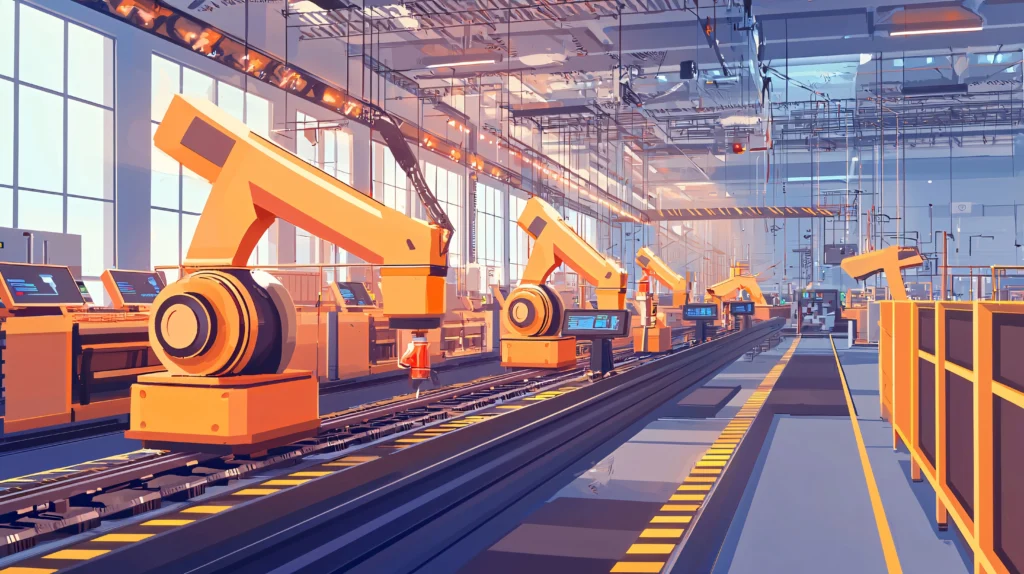
When a product leaves the assembly line, it enters a world of human experiences—not just cold test metrics. Think of hikers clinging to their backpacks in storms, seniors living alone fumbling with medical devices, or parents inspecting baby products for safety.
True high-quality manufacturing has long moved past mere “compliance” to prioritize “empathy.” We’ve reimagined sewing, injection molding, and silicone processes through the user’s eyes, ensuring every technique is rooted in real-world needs—and every product feels thoughtfully designed.
I. Outdoor Gear: Designing Backpacks as an “Extension of the Body”
1.1 Identifying Pain Points: From Feedback to Fieldwork
“The shoulder straps slip constantly, and they rub raw after an hour’s hike”—that was the key complaint from our outdoor brand partner. Instead of rushing to tweak stitching, we assembled a cross-functional team: craftsmen, ergonomists, and veteran hikers—to step into the user’s boots.
Over two weeks of mountain fieldwork, motion capture and sensory feedback revealed the root cause: traditional backpacks’ one-size-fits-all design fails to accommodate different shoulder shapes. Their solid back panels also trap sweat, causing chafing and discomfort.
1.2 Process Innovation: Marrying Dynamic Sewing with Ventilation
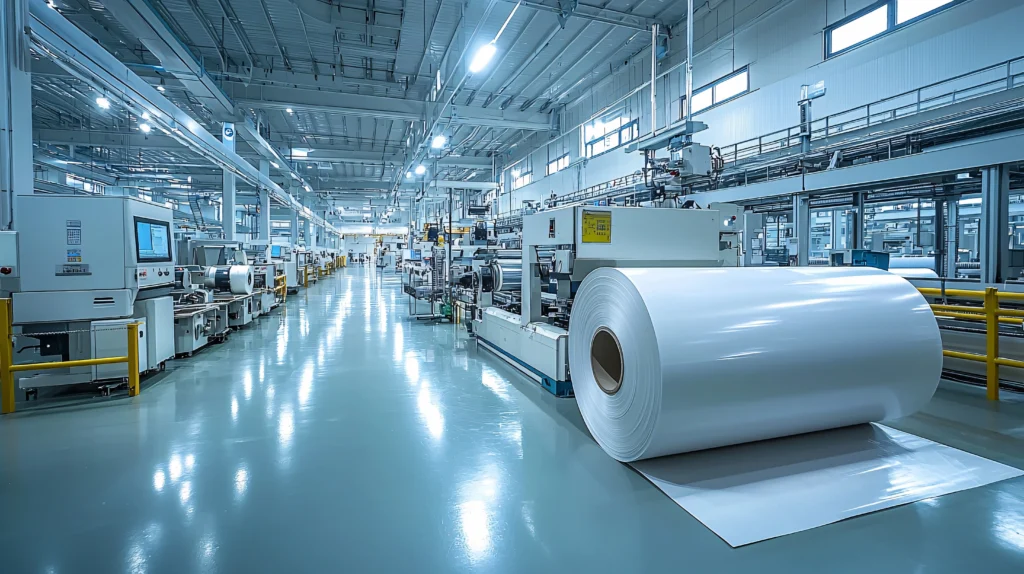
To fix the shoulder fit issue, our sewing team developed “dynamic tension stitching.” Using data from 200 body scans, they created three curved shoulder strap profiles. They chose high-recovery elastic fabric and pioneered variable stitch density.
Here’s how it works: high-stress areas use 12 stitches per centimeter for extra durability, while the skin-contact edges drop to 8 stitches per centimeter—balancing security with breathability. Our injection molding and silicone teams paired this with a “suspended ventilation system”: a lightweight honeycomb frame, lined with a silicone pad featuring micro-channels, sewn seamlessly into the backpack.
The upgraded backpack excelled in 3,000-meter altitude tests: zero shoulder slippage and 75% less back sweat. Within three months of launch, it became the brand’s top-selling outdoor item—with a 42% repurchase rate.
II. Medical Devices: Simplifying Processes for Elderly Users
2.1 Focusing on Needs: Breaking Down Barriers for Seniors
Collaborating with a European medical provider on a portable glucose meter, they shared a critical request: “Make it usable by 80-year-olds, alone.” Partnering with geriatric health experts, we identified three key barriers: shaky hands making it hard to hold, declining vision hiding buttons, and complex steps leading to mistakes.
This guided our optimization: stability, clarity, and simplicity. Every technical change aligned with these goals—no unnecessary “feature creep.”
2.2 Turning Ideas into Details: Human-Centered Process Overhauls
For injection molding, we created an ergonomic curved grip with 0.6mm anti-slip ridges. The skin-friendly, anti-aging modified PP material ensures a secure hold—even with wet or trembling hands.
Silicone components got special attention: buttons enlarged to 1.8x standard size, with hardness reduced from Shore 35 to 25 for easier pressing. 3D-engraved characters (instead of printed ones) boost tactile recognition—ideal for those with low vision.
Our sewing team designed a double-layer breathable wristband with adjustable Velcro. It fits all wrist sizes, keeps the device from slipping, and avoids irritation during long wear.
The final product earned EU CE medical certification—and seniors testing it called it “as easy as a TV remote.” It’s now on the procurement list for 12 European care homes.
The Soul of Manufacturing: From “Tech Showcase” to “Problem Solver”
3.1 Reimagining Value: Craftsmanship Serves Experience
These two cases—backpacks and glucose meters—highlight a core shift: modern manufacturing’s value lies not in showing off tech, but in solving real problems. Once, we fixated on stitch precision, molding tolerances, and silicone purity. Now, we ask: Will this ease a hiker’s shoulder pain? Will this help a senior check their blood sugar independently?
Craftsmanship is the tool; experience is the goal. When technology grows from user needs, products naturally feel warm and trustworthy.
3.2 Looking Ahead: A User-Scenario Driven Manufacturing Cycle
We plan to build a “Global User Scenario Database”—collecting usage habits and pain points across sectors like baby care, sports, and healthcare, from diverse regions and age groups.
AI will turn vague user feedback into precise process specs, creating a fast loop: “need → R&D → production → feedback.”
Great manufacturing doesn’t ask users to adapt—it adapts to them. That’s the heart and soul of what we do. If you’re looking for a manufacturing partner that prioritizes your users as much as you do, let’s build something meaningful together.