

The rapid development of global manufacturing relies heavily on the advancement of innovative processes, and sewing, injection molding, and silicone technologies have become indispensable core techniques in many industries. These technologies not only improve production efficiency but also enhance product performance, appearance, and environmental sustainability. This article will explore the basic concepts, application areas, and the important role of these technologies in driving innovation in modern manufacturing.
1. Sewing Technology: The Combination of Tradition and Innovation
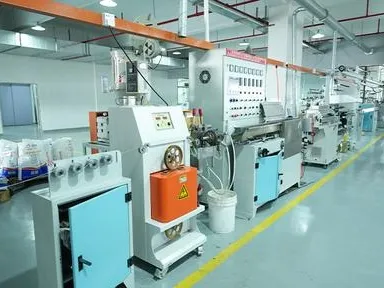
Sewing technology plays a vital role in various sectors, including apparel, home goods, and industrial products. With the advancement of technology, sewing has evolved from manual labor to mechanization, and now into modern automation, gradually meeting the needs of personalized and efficient production.
- Automation and Smart Technology
The introduction of modern sewing equipment has made production processes more efficient and precise. Automated sewing machines can adjust sewing parameters based on fabric type and design, significantly improving production speed and quality control. - Precision Design and Flexibility
The flexibility of sewing technology allows it to adapt to various complex design requirements. From minimalist styles to intricate patterns, sewing technology can reproduce design details with high precision to meet consumer demands for personalization and diversity. - Environmental Sustainability
As environmental standards increase, many sewing factories have started using eco-friendly fabrics and sustainable production materials to reduce environmental impact. For example, using organic cotton, recycled fibers, and other environmentally friendly materials not only enhances the competitiveness of the products but also aligns with the concept of green development.
2. Injection Molding: An Efficient and Precise Modern Manufacturing Method
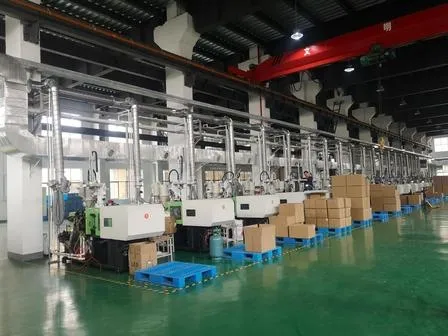
Injection molding technology is widely used in industries such as automotive, home appliances, and consumer electronics, becoming the mainstream process for producing plastic products. Continuous innovation and optimization of injection molding technology play a crucial role in improving production efficiency, reducing costs, and enabling the manufacturing of complex components.
- Efficient Mass Production
Injection molding, using high-precision molds, allows for the rapid mass production of identical plastic components, making it particularly suitable for large-scale production. Its high level of automation significantly increases production efficiency and reduces labor costs. - Precision and Versatile Designs
Injection molding supports the design of complex shapes. It can produce not only precision outer casings and interior components but also products requiring high strength, wear resistance, and other specific properties. Whether it’s automotive parts or mobile phone cases, injection molding ensures high-quality manufacturing. - Material Selection and Customization
A significant advantage of injection molding is the ability to select different plastic materials based on needs, such as ABS, polypropylene, and polycarbonate, to meet the requirements of different fields for material characteristics like strength, heat resistance, and flexibility.
3. Silicone Technology: A Perfect Combination of Versatility and High Performance
Silicone, as an ideal engineering material, is widely used across various industries due to its excellent properties, including high temperature resistance, corrosion resistance, good elasticity, and non-toxicity. With the development of liquid silicone rubber (LSR) technology, the application scope of silicone technology has expanded, and both production efficiency and product precision have improved.
- Liquid Silicone Injection Molding (LSR)
Liquid silicone injection molding technology has overcome the limitations of traditional solid silicone production. It allows for the fast and efficient production of complex-shaped silicone components. LSR technology ensures high precision and efficiency, especially in applications requiring high accuracy and durability, such as medical devices and electronic products. - Exceptional Heat Resistance
Silicone materials have excellent heat resistance and can maintain stable performance in temperatures ranging from -60°C to 230°C. This makes silicone an ideal material for high-temperature applications, commonly used in automotive seals, kitchenware, and other products. - Non-toxic and Eco-friendly Characteristics
Silicone is a non-toxic, harmless, and recyclable material, making it especially suitable for use in the medical and food industries. Due to its unique physical properties, silicone has become a representative of green manufacturing and eco-friendly technology.
4. Industry Trends and Future Development
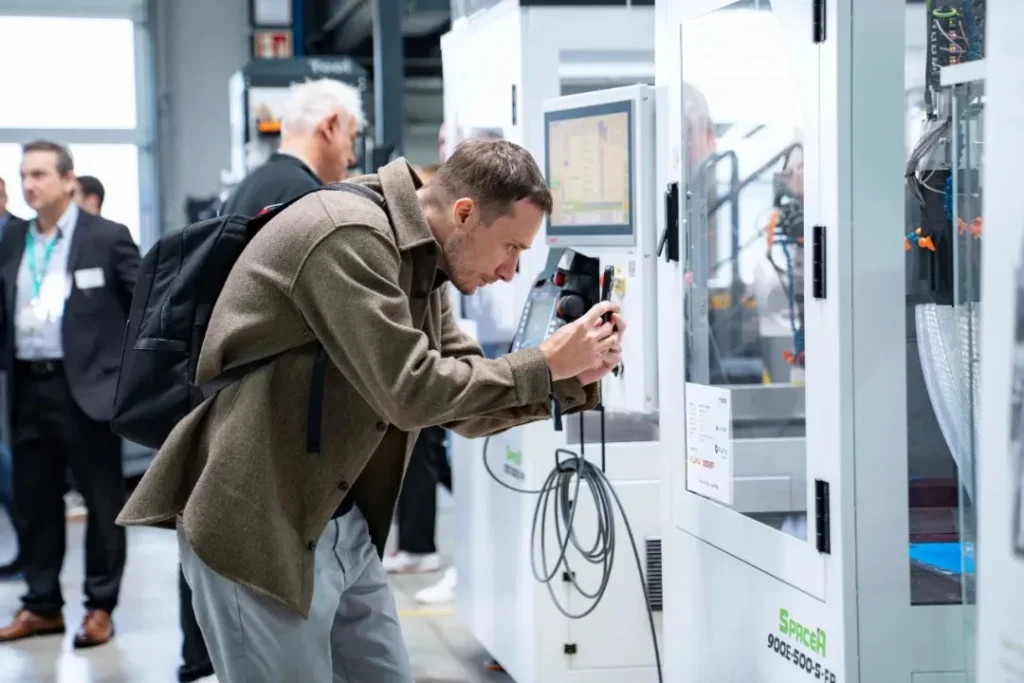
With the development of automation technology, artificial intelligence, and smart manufacturing, the integration and further development of sewing, injection molding, and silicone technologies are expected. For example, in the manufacturing of smart home products, sewing technology can be used for soft components, injection molding for hard structural parts, and silicone for seals and buttons.
In the future, with the rapid development of 5G, the Internet of Things (IoT), 3D printing, and other emerging technologies, these processes will continue to merge and innovate, driving the manufacturing industry toward more efficient, intelligent, and personalized directions. Meanwhile, green manufacturing and sustainable development will become important directions for industry growth, encouraging companies to adopt more eco-friendly and energy-efficient production models.
5. Conclusion
Sewing, injection molding, and silicone technologies have become indispensable core technologies in modern manufacturing. As technology continues to advance and market demands evolve, companies must focus on innovation and integration when selecting production processes. By continuously optimizing production techniques, companies can not only increase efficiency but also stand out in the global competitive landscape.
As leaders in innovation, we will continue to integrate these advanced technologies to provide efficient and eco-friendly solutions, driving the continuous development of modern manufacturing.