

With the rapid development of global manufacturing, innovation in production processes and technological advancement have become important means for companies to enhance their competitiveness. Sewing, injection molding, and silicone technologies are three core processes in the manufacturing field today, each playing an important role in improving product quality, production efficiency, and meeting the diverse demands of the market. This article will take you through a detailed exploration of these three technologies and discuss how they are driving modern manufacturing toward higher efficiency and greater intelligence.
1. Sewing Technology: A Blend of Smart and Personalized Solutions
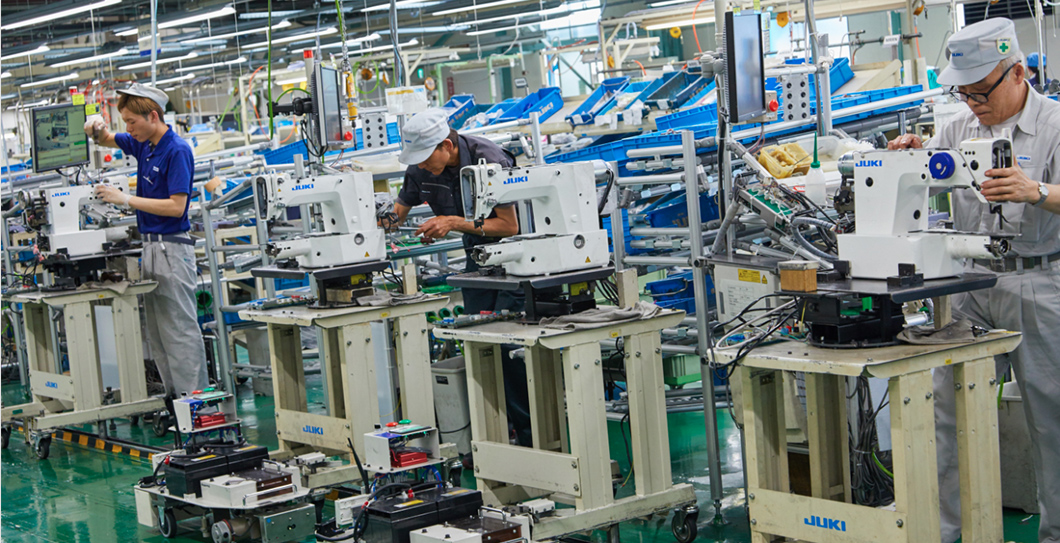
Sewing, as a traditional manufacturing process, has undergone significant development and technological innovation over the years. It has gradually entered an era of automation and intelligent technology. Whether in garment manufacturing or other textile products, the upgrades in sewing technology have greatly increased production efficiency and driven the trend of personalized customization.
- Smart Sewing Equipment
Modern sewing machines, through computer-controlled systems, allow for automated cutting, precise stitching, and high-efficiency production. These devices automatically adjust sewing parameters based on design blueprints to ensure the quality and precision of every product. - Use of Eco-friendly Materials
The widespread adoption of eco-friendly and sustainable development concepts has led sewing processes to use more recyclable and biodegradable fabrics and sewing materials. This not only helps reduce environmental pollution but also aligns with the global trend of green manufacturing. - Personalized Customization Demand
As consumer demand for personalized products continues to grow, sewing technology provides brands with the possibility of customized production. Whether it’s clothing, home décor items, or the design of smart product casings, sewing technology allows for personalized customization.
2. Injection Molding: A High-Efficiency, Precise Production Tool
Injection molding technology, known for its efficiency, low cost, and precision, has become the mainstream process for manufacturing plastic products. From automotive parts to consumer electronics, injection molding is involved in the production of virtually every high-precision, high-performance product.
- Rapid Mass Production
Injection molding allows for the rapid production of large quantities of identical plastic parts with minimal manual intervention, making it ideal for mass production. For large-scale manufacturing, injection molding is undoubtedly the best choice. - Precision Molds and Material Selection
Injection molding can select various types of plastic materials based on specific needs, such as heat-resistant engineering plastics or non-toxic plastics for medical devices. This makes it widely used in electronics, medical, and automotive industries. - Diverse Application Fields
Injection molding is not limited to producing traditional plastic parts but can also be used for manufacturing precision components, complex-shaped accessories, and even parts with embedded features or intricate structures. The flexibility of this process makes it important across many fields.

3. Silicone Technology: The Perfect Combination of Innovation and High Performance
Silicone materials are widely used in various industries due to their excellent properties such as high temperature resistance, corrosion resistance, and non-toxicity. With the continuous development of liquid silicone rubber (LSR) technology, the application range and efficiency of silicone processes have greatly improved.
- Liquid Silicone Injection Molding (LSR)
The advent of LSR technology has made silicone processes more efficient in producing complex-shaped components. LSR not only improves production efficiency but also ensures high precision for each product, making it widely applied in electronic seals, medical devices, and other fields. - Exceptional Heat Resistance
Silicone offers excellent heat resistance, working effectively within a temperature range of -60°C to 230°C. This makes silicone the ideal material for many high-temperature environments, such as automotive seals and baking molds. - Environmental Friendliness and Sustainability
Silicone is an eco-friendly material that is recyclable. During production, silicone processes not only reduce waste but also minimize environmental pollution, making it widely recognized as a green manufacturing technology.

4. Future Trends and Integrated Applications
As technology advances, the integrated application of sewing, injection molding, and silicone technologies is becoming a new trend in the industry. For example, in the production of smart wearable devices, sewing, injection molding, and silicone technologies are often used together: sewing handles the fabric part, injection molding is used for plastic casings and internal components, and silicone is used for seals and buttons.
In the future, with the continuous progress of 3D printing, the Internet of Things (IoT), and other emerging technologies, these three processes will continue to evolve, leading to more flexible, personalized, and efficient production modes. Meanwhile, green and sustainable manufacturing will become an important direction for the industry, prompting more companies to adopt eco-friendly materials and processes to reduce environmental impact.
5. Conclusion
Sewing, injection molding, and silicone technologies play irreplaceable roles in modern manufacturing. With continuous technological advancements and changing market demands, companies must adapt flexibly and select the most suitable processes to improve product quality, production efficiency, and market competitiveness. As a driver of innovative manufacturing, we will continue to provide efficient, eco-friendly production solutions to help clients meet the ever-changing market challenges.