

In today’s rapidly changing global environment, businesses are facing unprecedented challenges. The swift changes in market demand, the continuous advancement of technology, and the intensifying competitive landscape mean that companies must constantly innovate in order to stay ahead. However, innovation alone is no longer sufficient; improving production efficiency, reducing costs, and enhancing customer experience are equally crucial tasks for business growth. Innovation and efficiency have become the dual engines driving the future development of enterprises.
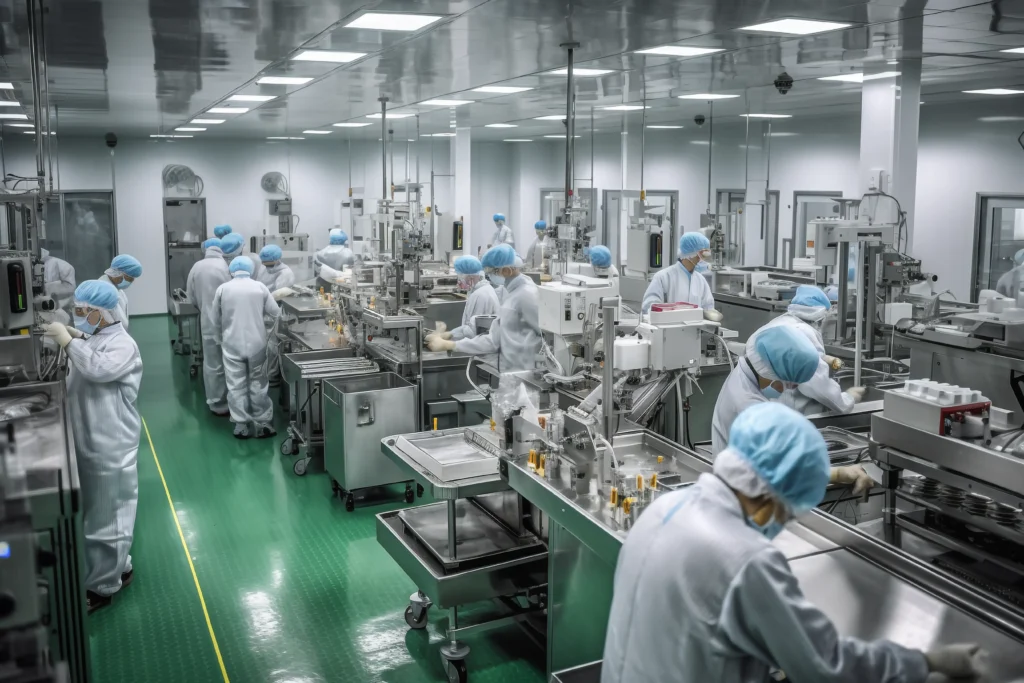
Improving Production Efficiency: A Combination of Optimization and Automation
With continuous technological advancements, especially the application of AI, IoT, and robotics, enhancing production efficiency no longer solely relies on manual labor. The use of automated equipment makes production processes more precise and stable, significantly reducing human errors and greatly improving the efficiency of production lines. By optimizing production workflows and resource allocation, companies can meet market demand at lower costs and higher efficiency.
Advantages of Automation in Enhancing Production Efficiency:
- Reducing Human Intervention: Automated systems can operate 24/7 without the need for constant human involvement, ensuring stability in production and reducing errors.
- Optimized Resource Allocation: Data analysis allows businesses to more accurately predict demand and resource consumption, enabling optimal allocation and minimizing waste.
Innovation-Driven: Market Demand and Technological Transformation
Innovation is not just about technological breakthroughs but also about keenly understanding market demands. From consumer personalization to global environmental trends, from digital transformation to green manufacturing, the scope of innovation is becoming increasingly broad and diversified. To gain a competitive advantage in future markets, companies must align innovation with market needs, exploring new product forms and service models.
Key Directions for Innovation:
- Personalized Customization: With the diversification of consumer demands, customized products are becoming a trend. Through technological innovation, companies can offer solutions that meet consumers’ unique needs.
- Green and Sustainable Development: In the context of increasingly stringent environmental regulations, green innovation and sustainable development have become essential for business growth. By adopting eco-friendly technologies and sustainable production methods, businesses not only meet social responsibility requirements but also enhance their brand image.
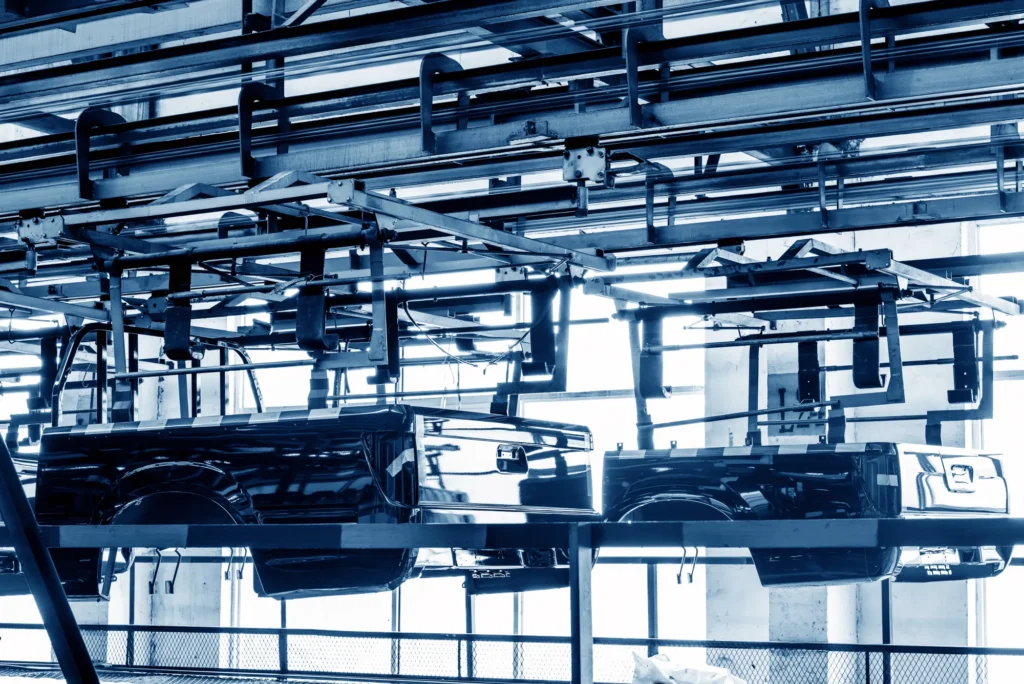
Digital Transformation: Data Empowering Decision-Making and Management
Digital transformation has become an important tool for businesses to enhance operational efficiency and achieve precise management. From supply chain management and inventory control to production scheduling and customer relationship management, digital platforms provide businesses with more efficient and transparent management tools. Leveraging big data, cloud computing, and AI, companies can access real-time operational data to make more accurate decisions, optimize resource allocation, and improve management efficiency and market responsiveness.
Management Advantages of Digital Transformation:
- Real-Time Data to Support Decision-Making: Digital platforms allow companies to monitor production and operations in real time, enabling quick adjustments to production plans and market strategies.
- Transparency and Enhanced Collaboration: Digital management breaks down information silos, improving cross-departmental collaboration and overall operational efficiency.
Customer Experience: Comprehensive Innovation from Products to Services
Today, customer experience goes beyond the product itself and encompasses the entire consumer journey. Personalized services, enhanced after-sales experiences, and emotional brand interactions are all key factors in consumer purchasing decisions. Companies must innovate not only their product offerings but also their service models, using technology to enhance customer satisfaction throughout the entire purchasing journey, ultimately boosting brand loyalty.
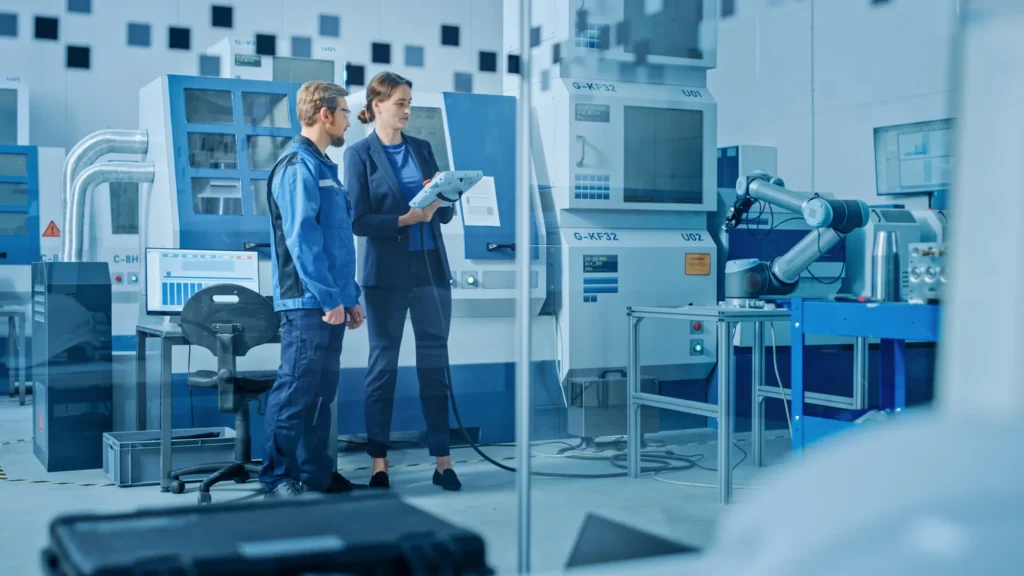
Innovative Ways to Enhance Customer Experience:
- Personalized Services: By analyzing big data, companies can accurately predict consumer needs and offer personalized products and services.
- Omnichannel Experience: Seamlessly integrating online and offline channels to enhance the consumer shopping experience and increase brand loyalty.
Sustainability: Green Development and Corporate Responsibility
With the increasing importance of global sustainability, corporate social responsibility is becoming more and more significant. Environmental protection and resource conservation are not only compliance requirements but also key factors in consumer brand selection. Through green innovation and sustainable development strategies, companies can enhance their corporate image while ensuring long-term competitiveness in an increasingly environmentally regulated world.
Advantages of Green and Sustainable Development:
- Energy Savings and Reduced Consumption: Through technological innovations and process optimizations, companies can significantly reduce energy consumption and minimize environmental impact during production.
- Enhanced Corporate Social Responsibility: Green production and sustainable development help companies build a responsible image, earning the trust of consumers and investors.
Conclusion
The future of business will no longer rely solely on traditional productivity improvements or singular innovation methods, but will integrate innovation and efficiency to drive comprehensive upgrades and transformations. By enhancing smart production, digital management, green development, and customer experience, businesses can gain a competitive edge and build a brand image that is both market-leading and socially responsible. In this era full of change and opportunity, innovation and efficiency will be the core drivers of future business development.