
With the constant changes in the global market and the rapid development of technology, the manufacturing industry is undergoing a profound transformation. The emergence of new technologies is not only driving changes in production methods but also reshaping consumer demand and the competitive landscape. In this era of uncertainty, how companies seize emerging opportunities and enhance their competitiveness has become a key issue in the development of the industry.
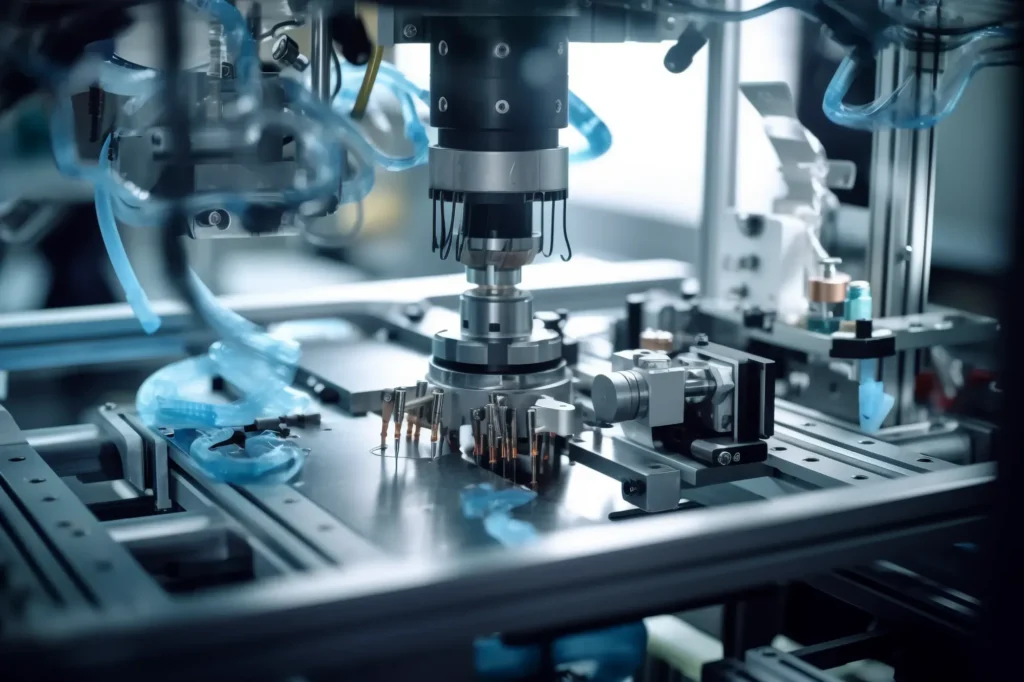
Advanced Technology: Driving a Leap in Production Efficiency
Technologies such as digitalization, automation, and artificial intelligence are bringing unprecedented changes to manufacturing. Automated production lines, real-time monitoring and data analysis, and intelligent management systems not only significantly improve production efficiency but also optimize resource allocation and reduce waste. The application of these technologies allows businesses to respond flexibly to market demand changes while ensuring precision and efficiency in the production process.
Advantages of Technological Empowerment:
- Improved Production Precision: Through intelligent production equipment, companies can achieve higher product precision, reduce human error, and minimize quality fluctuations.
- Optimized Resource Allocation: Big data analysis and intelligent management systems help companies accurately forecast production needs and resource consumption, enabling better allocation of production capacity.
Changing Consumer Demands: Customization and Personalization as New Trends
As consumer demand for personalized and customized products continues to rise, manufacturing is gradually shifting away from the traditional “mass production” model towards more flexible and customized production methods. From fashion to high-end electronics, industries are exploring innovative solutions to meet the growing demand for individuality. Companies need to focus more on the uniqueness of products and the overall user experience in order to meet consumers’ desire for customization.
Core Advantages of Customized Production:
- Stronger Market Competitiveness: By offering customized products, companies can stand out in a sea of homogeneous competition, winning consumers’ favor.
- Enhanced Customer Satisfaction: Tailored products not only meet consumers’ specific needs but also provide a better user experience, fostering stronger brand loyalty.
Environmental Protection and Sustainable Development: The Green Transformation of Production Models
Environmental protection has become a common issue across all industries, and in the manufacturing sector, green production and sustainable development are now seen as standards for measuring corporate social responsibility. By optimizing processes, reducing waste emissions, and cutting energy consumption, companies can not only minimize their environmental impact but also enhance their brand image and attract more environmentally conscious consumers.
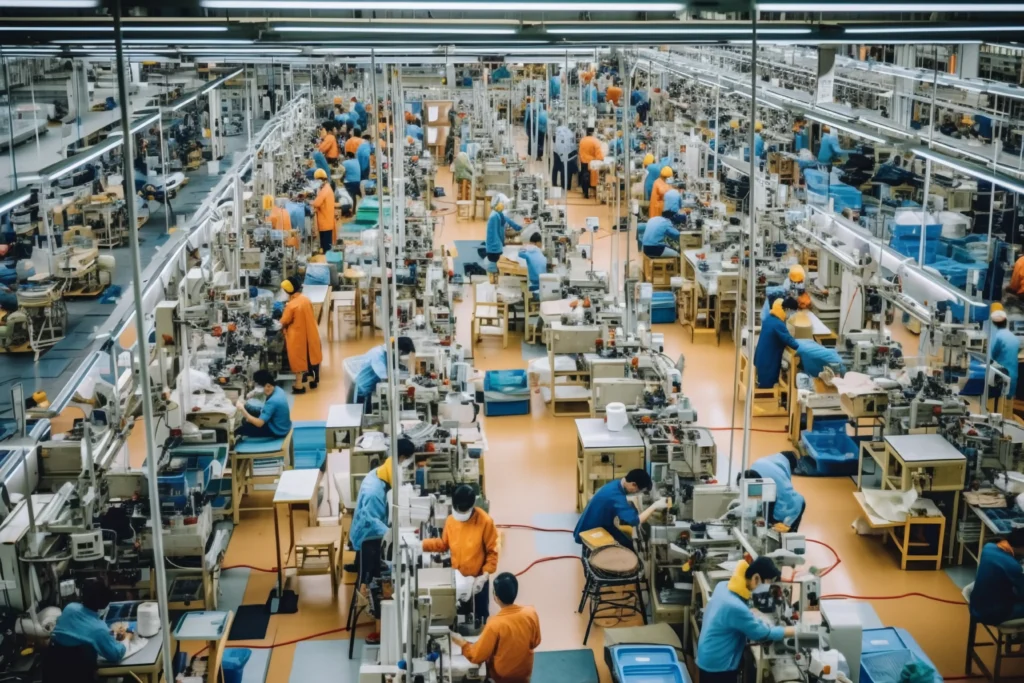
Practices in Green Manufacturing:
- Energy Savings and Emission Reductions: Adopting more energy-efficient production equipment and technologies to reduce energy consumption and carbon emissions.
- Use of Eco-Friendly Materials: Choosing environmentally friendly and recyclable materials to reduce pollution during the production process.
- Waste Recycling: Recycling waste generated during production to reduce resource waste and improve production efficiency.
Digital Transformation: Comprehensive Upgrades from Production to Management
Digitalization means more than just the automation of production; it also signifies comprehensive upgrades to business management. From supply chain management to inventory control and customer relationship management, digitalization provides companies with more precise and efficient ways to operate. By using data analysis and digital tools, businesses can better predict market trends and respond quickly, thereby optimizing overall operational efficiency.
Advantages of Digital Management:
- Improved Decision-Making Efficiency: Through big data and AI analysis, companies can stay on top of market dynamics, quickly adjust production plans and strategies.
- Smart Operations: Digital platforms help companies achieve end-to-end smart management, from raw material procurement to product delivery, increasing transparency and operational efficiency.
Conclusion
The manufacturing industry is facing multiple pressures, including technological changes, shifting market demands, and increasingly stringent environmental regulations. However, with the emergence of new technologies and changes in consumer demand, new opportunities are constantly being created. Companies must continue to innovate and align with market trends to stand out in a highly competitive environment and win the future.