
In today’s rapidly evolving global market, the manufacturing industry faces unprecedented challenges and opportunities. Technological advancements, increasingly diverse consumer demands, and the growing importance of environmental protection are driving profound changes across the entire industry. To stand out in the competitive market, companies must actively embrace innovation and adopt more efficient, intelligent, and sustainable production models.
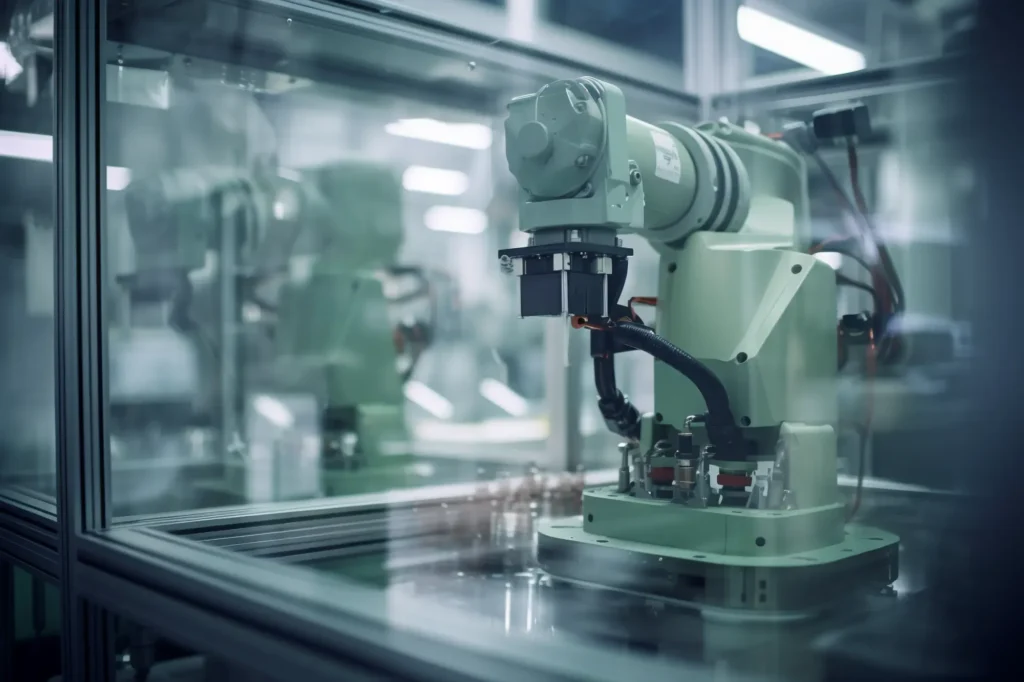
Empowering Technology: Building Efficient Productivity
Modern manufacturing is quickly advancing towards automation and digitalization. With the continuous progress of technologies such as big data, the Internet of Things (IoT), and artificial intelligence, the flow of information, logistics, and financial resources within the production process is becoming highly integrated. This leads to significant improvements in production efficiency and precision. By using intelligent production systems, companies can monitor production progress in real-time, adjust strategies, and implement fine-tuned management to reduce costs and improve product quality.
Transformations Brought by Intelligent Technology:
- Automated Production: With automated equipment, companies can improve production line flexibility, quickly respond to market changes, reduce labor costs, and minimize human errors.
- Real-time Data Monitoring and Analysis: Through data collection and analysis, companies can identify production bottlenecks in real time, optimize resource allocation, and improve overall production efficiency.
Personalization and Customization: Meeting Diverse Consumer Needs
As consumers increasingly demand personalized and customized products, traditional mass production is gradually being replaced by flexible, customized production methods. From tailored home products to personalized smart devices, businesses must offer solutions that are tailored to the specific needs of different consumers. Customized production not only meets the demand for individualization but also increases the product’s added value, creating a larger market space.
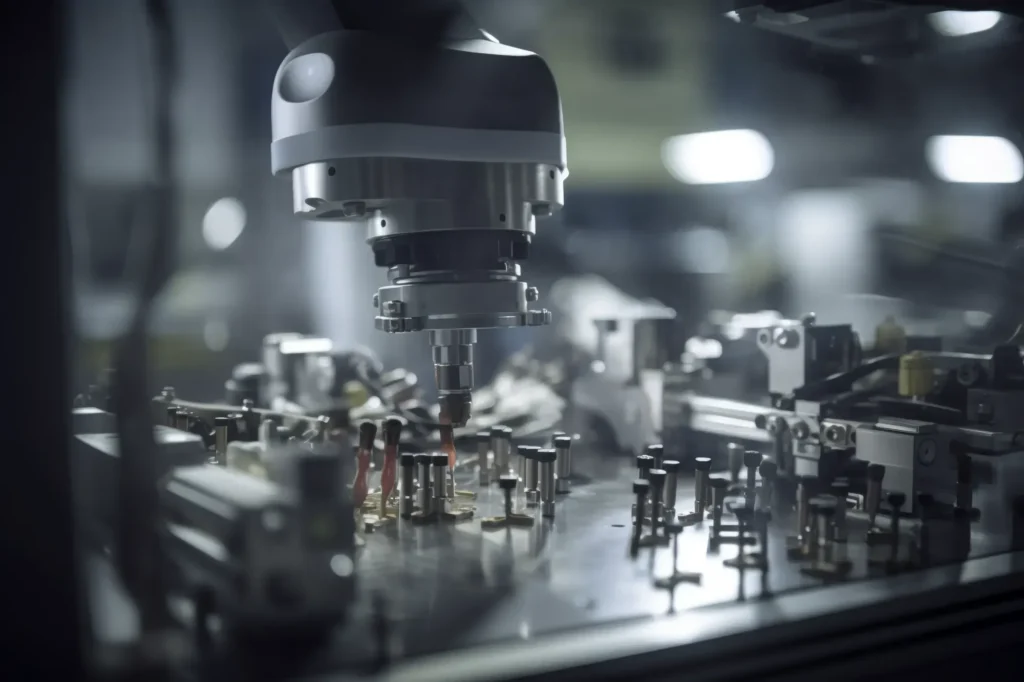
Advantages of Customized Production:
- Precisely Meeting Market Needs: Through flexible production methods, companies can produce small batches of high-quality, customized products based on specific demands.
- Enhanced Customer Loyalty: Offering personalized products can strengthen brand loyalty and increase customer satisfaction and repeat purchases.
Environmental Responsibility and Sustainable Development: Driving Green Manufacturing
Environmental protection has become one of the core issues in global manufacturing. How to reduce energy consumption and pollution during the production process while ensuring product quality is a major challenge companies face. Green manufacturing is not only about complying with increasingly strict environmental regulations but also about enhancing brand image and market competitiveness. By adopting sustainable production processes, eco-friendly materials, and efficient resource management, businesses can achieve a win-win situation for both economic and environmental benefits.
Practical Measures for Green Manufacturing:
- Using Recyclable Materials: Promoting resource recycling to reduce the environmental impact during production.
- Reducing Carbon Emissions and Energy Consumption: By improving the energy efficiency of production equipment and optimizing manufacturing processes, companies can reduce energy consumption and emissions.
Globalization and Market Expansion: Seizing Global Opportunities
With the accelerating process of globalization, the demand from multinational enterprises and international markets is rapidly increasing. Manufacturing companies are no longer solely relying on local markets but are actively expanding their global business to seek new growth opportunities. By strengthening international layout, companies can better adapt to the market needs of different countries and regions, thus enhancing global competitiveness. Technological innovation and efficient production are crucial driving forces in the process of globalization.
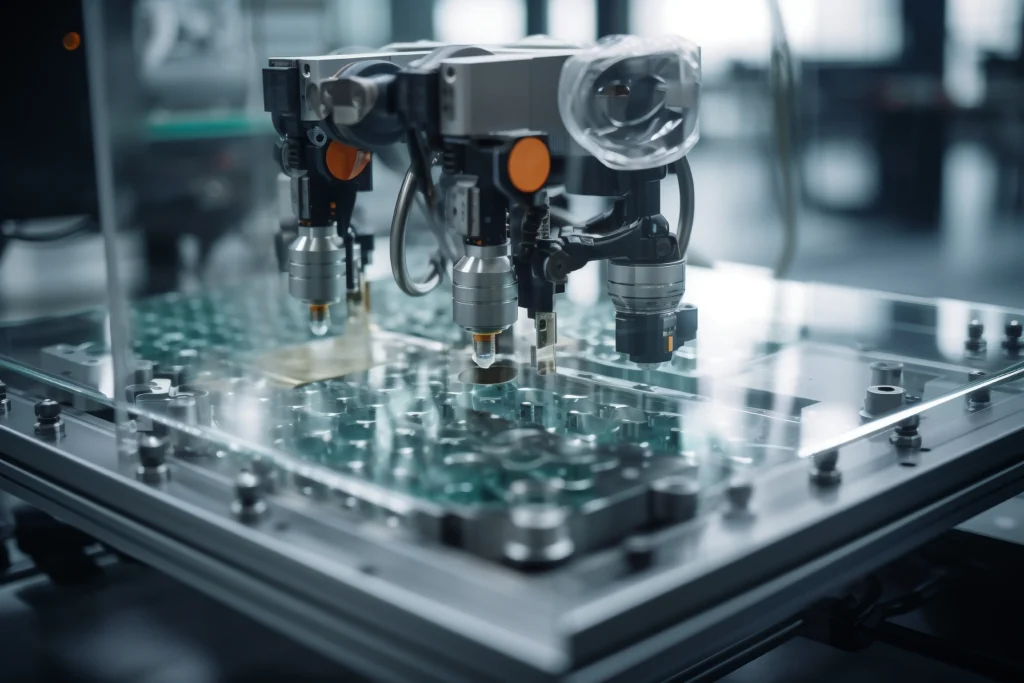
Opportunities in International Development:
- Global Supply Chain Integration: By establishing efficient global supply chain management systems, companies can optimize resource allocation, reduce production costs, and improve cross-border operational efficiency.
- Expanding into International Markets: By leveraging advanced manufacturing technologies and customized services, companies can quickly capture emerging markets and strengthen their brand presence globally.
Conclusion
The manufacturing industry is undergoing a profound transformation, and technological innovation, personalized customization, green production, and globalization will be the core driving forces that propel the industry forward. Only by continuously enhancing innovation capabilities and production efficiency, and aligning with market trends, can companies remain competitive in a challenging environment. Looking ahead, embracing intelligent, sustainable, and customized manufacturing models will be key to achieving long-term success.