

The supply chain restructuring in the post-pandemic era is driving the global sewing, injection molding and silicone industry to shift from “single production concentration” to “multi-regional synergy”. A pattern where Europe and the United States lead high-end R&D, Southeast Asia undertakes mid-end manufacturing, and the Middle East and Africa release emerging demand is gradually taking shape. Through regional division of labor and resource complementarity, the industry has built a more resilient growth system.
I. Regional Division of Labor: Forming a Three-Level Industrial Echelon
First Echelon: Europe and the U.S. Control Technology and Brands
European and American enterprises focus on technological R&D and brand operation, occupying the top of the industrial value chain. Germany’s BASF’s degradable injection molding materials and the U.S.’s 3M’s medical silicone coating technology both have global patent layouts, with technology licensing revenue accounting for more than 30% of their operating income. At the same time, brands such as Nike and IKEA outsource production links by formulating strict product standards, firmly controlling channels and pricing power. The gross profit margin of their high-end sewn fabrics and customized injection molding parts exceeds 45%.
Second Echelon: Southeast Asia Becomes a Manufacturing Hub
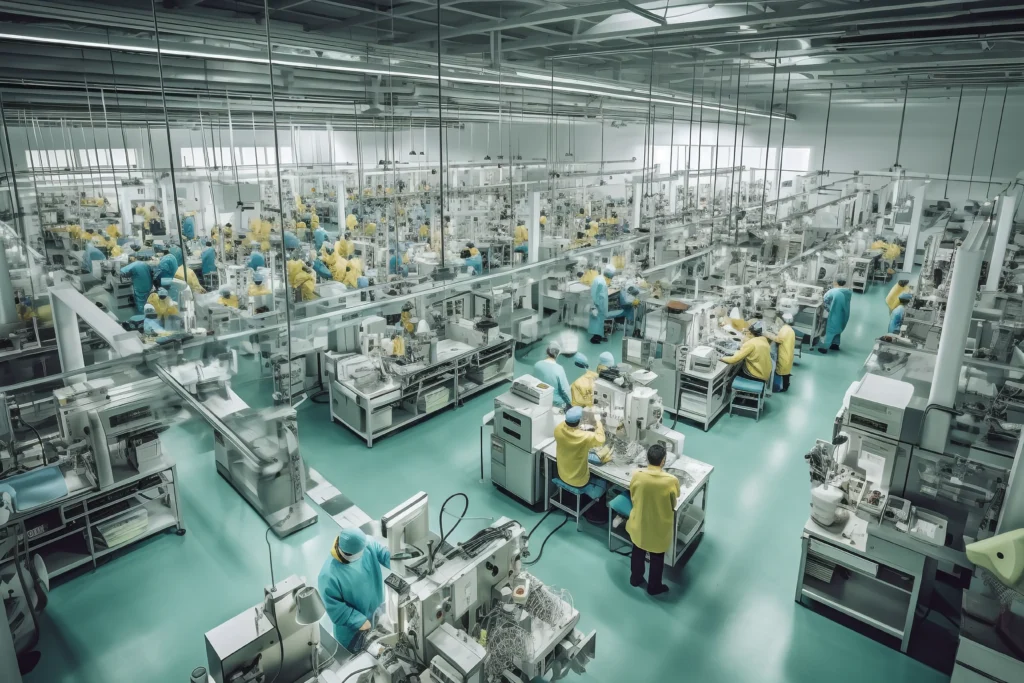
Relying on labor cost and tariff advantages, Southeast Asia has become the manufacturing core of the global rubber, plastic and sewing industry. Sewing factories in Vietnam undertake 60% of the world’s sports apparel OEM orders; injection molding enterprises in Thailand supply mobile phone shell accessories to Apple and Samsung; and silicone production bases in Malaysia focus on medical-grade seals, with annual export volume exceeding 8 billion U.S. dollars. To enhance competitiveness, local enterprises are accelerating the introduction of automated equipment. The intelligent hanging system of a sewing factory in Vietnam has increased production efficiency by 28%.
II. Emerging Markets: The Middle East and Africa Become a New Blue Ocean of Demand
Consumption upgrading in the Middle East and Africa has spawned a large number of rigid demands, becoming a new growth engine for the industry. The popularization of home appliances in South Africa has driven the demand for injection-molded casings to increase by 42% annually; the upgrading of medical infrastructure in Egypt has doubled the import volume of silicone medical gloves; and the garment industry in Kenya has driven the import growth of sewn fabrics by 35%. These markets prefer cost-effective products. Injection-molded parts from Taiwan, China and sewn fabrics from India occupy a dominant share by virtue of price advantages.

III. Synergy Challenges: Dual Barriers of Logistics and Standards
Regional synergy faces the challenges of logistics costs and standard differences. Sea freight from Southeast Asia to Europe and the United States has increased three times compared with 2019, and some enterprises have chosen the model of “production in Vietnam + transshipment in Hong Kong, China” to reduce costs. The inconsistency of standards is even more tricky. There are differences between the food contact-grade silicone certification required by the EU and local quality standards in Africa. Enterprises need to invest additional funds for multi-standard adaptation, and the compliance cost of small and medium-sized enterprises has increased by more than 20%.
IV. Breakthrough Path: Building a Regional Industrial Ecosystem
Leading enterprises are solving synergy problems by building ecosystems. Toyota Tsusho has established a rubber and plastic industrial park in Thailand, integrating silicone raw material supply, injection molding production, sewing processing and other links to provide “one-stop” supporting services, improving logistics efficiency by 40%. Industry organizations are promoting mutual recognition of standards. The Southeast Asian Rubber Association has cooperated with the European Materials Association to jointly formulate silicone product quality standards, helping enterprises reduce compliance costs. In the future, the depth of regional synergy will determine the global competitiveness of enterprises.