

With the EU Carbon Border Adjustment Mechanism (CBAM) now in full effect and global consumers prioritizing “environmental credentials” in their purchasing decisions, the manufacturing industry is undergoing a profound shift in its competitive landscape. Sewing, injection molding, and silicone processing—three foundational manufacturing processes once focused solely on scaling production—now grapple with the dual pressures of “emission reduction and carbon neutrality” alongside the enduring need to “enhance quality and efficiency.” Sustainable craftsmanship has evolved from a mere “CSR add-on” to a “core strategic pillar” critical to business survival and growth, driving the industry’s transformation from a “resource-intensive” model to one centered on “value creation.”

I. Green Imperative: The Rising Logic of Sustainable Craftsmanship
The rapid adoption of sustainable craftsmanship is fueled by three key drivers: policy, market demand, and technological advancement. On the policy front, over 130 countries worldwide have committed to carbon neutrality targets, with the EU’s Net-Zero Industry Act mandating a 50% reduction in manufacturing emissions by 2030 relative to 2021 levels. Market-wise, research indicates 72% of global consumers are willing to pay a 10–20% premium for eco-friendly products, prompting multinational brands to increasingly make “green supply chain compliance” a non-negotiable requirement for partnerships. Technologically, breakthroughs in sustainable materials, energy-efficient equipment, and circular economy technologies have made process upgrades both feasible and cost-effective.
Against this backdrop, the high pollution and energy inefficiency of traditional manufacturing processes have become glaringly problematic: less than 10% of fabric waste from sewing workshops is recycled, plastic waste from injection molding can take centuries to decompose, and solvent evaporation in silicone processing degrades air quality. Sustainable craftsmanship addresses these issues by leveraging technological innovation and process optimization to minimize environmental impact while unlocking the inherent green value of products.
II. Green Innovation Paths for the Three Core Processes
Sustainability upgrades for sewing, injection molding, and silicone processing are not one-size-fits-all solutions but tailored strategies aligned with each process’s unique characteristics. From material substitution and process refinement to energy efficiency improvements and waste recycling, each sector is forging its own path toward greater sustainability.
2.1 Sewing: From Fabric Waste to Full-Cycle Energy Efficiency
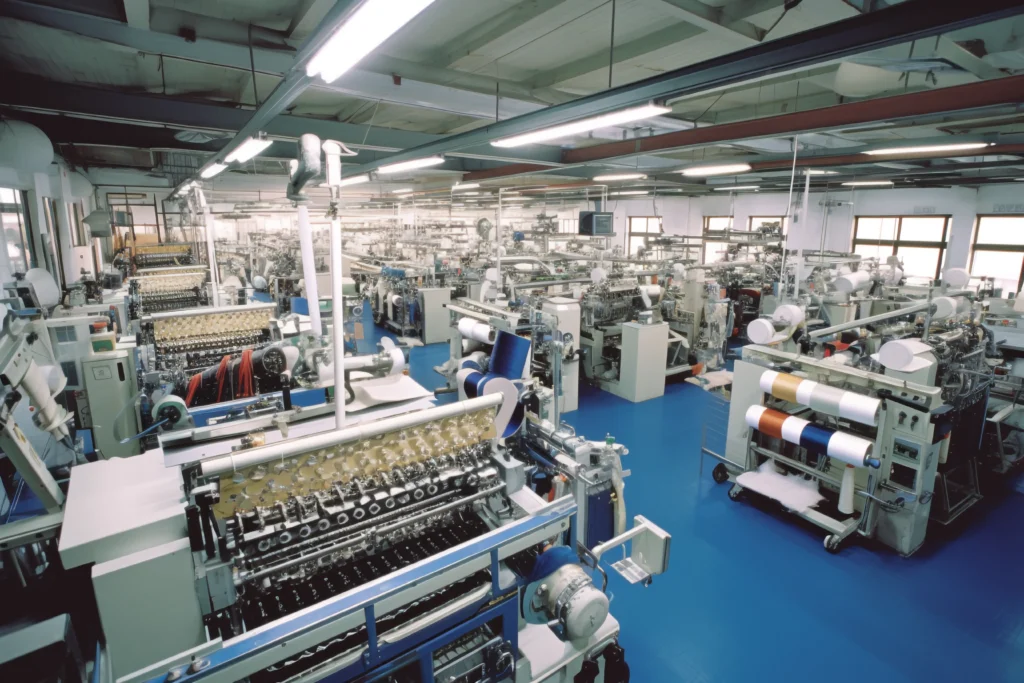
Green innovation in sewing focuses on two critical areas: maximizing fabric utilization and minimizing energy consumption. Intelligent nesting technology has revolutionized fabric efficiency—AI algorithms optimize pattern placement, boosting fabric usage from a traditional 75% to over 92%. One apparel manufacturer implemented this technology and reduced annual fabric waste by 300 tons, equivalent to saving approximately 160 hectares of cotton farmland.
Energy efficiency improvements have also delivered significant results. New servo-driven energy-saving sewing machines cut power consumption by 40% compared to conventional models, and their built-in waste heat recovery systems convert operational heat into workshop heating, enabling secondary energy utilization. The rise of eco-friendly fabrics has also spurred sewing process innovations: when working with degradable corn fiber fabrics, for instance, sewing teams adjusted stitch density and needle gauge to address the material’s natural brittleness, ensuring product durability while maintaining environmental integrity.
2.2 Injection Molding: Balancing Material Circularity and Low-Carbon Production
As a major consumer of plastic, injection molding’s sustainability journey centers on two pillars: recycling and low-carbon production. Chemical recycling breakthroughs have transformed waste plastic management—pyrolysis breaks down injection molding scrap into basic monomers, which are then reprocessed into high-performance plastics. This closed-loop system achieves a 95% plastic utilization rate, with performance retention 60% higher than traditional mechanical recycling methods.
Low-carbon production is equally vital. Replacing traditional hydraulic injection molding machines with all-electric models reduces energy use by 55% while eliminating soil contamination from hydraulic oil leaks. Electromagnetic induction heating has replaced resistance heating for mold temperature control, increasing thermal efficiency from 60% to 95%. A single injection molding line at an automotive components manufacturer achieved a 1,200-ton annual carbon reduction after adopting these technologies. Additionally, bio-based plastics are gaining traction—bamboo fiber-reinforced bio-plastics used in automotive interiors, for example, are 30% lighter than conventional plastics and fully biodegradable.
2.3 Silicone Processing: Clean Production and Non-Toxic Sustainability
Silicone processing’s sustainable transformation focuses on solving two key issues: solvent pollution and waste management. Traditional silicone manufacturing uses organic solvents that release volatile organic compounds (VOCs). New solvent-free silicone molding technology eliminates this problem by using reactive cross-linking agents, and one silicone products facility reduced VOC emissions from 80mg/m³ to under 1mg/m³—well below international standards.
Advancements in material science have also improved sustainability: food-grade silicone (used in baby products) is free of harmful substances like bisphenol A and breaks down into non-toxic compounds when thermally degraded. For silicone waste, low-temperature grinding technology processes discarded products into recycled silicone pellets, which are then used to produce industrial seals and other secondary products—creating a circular resource model.
III. Case Verification: Value Creation Through Sustainable Craftsmanship
The value of sustainable craftsmanship extends beyond environmental benefits to include tangible economic gains and enhanced brand competitiveness. Case studies across industries demonstrate that sustainability and business success can go hand in hand.

3.1 Outdoor Apparel: Building Premium Brands Through Green Craftsmanship
A global outdoor brand has integrated sustainability into every aspect of its sewing process: it uses 100% recycled polyester fabrics, achieves 93% fabric utilization through intelligent nesting, and employs water-soluble threads that allow easy separation of fabrics and threads for recycling at end-of-life. The brand’s workshops also feature solar power systems that meet 30% of their energy needs.
These measures reduced the brand’s product carbon footprint by 45% and resonated strongly with consumers—sales of its eco-friendly collection surged 58% compared to standard lines. The brand also strengthened its reputation among younger shoppers and earned a spot on the “Global Top 50 Sustainable Fashion Brands” list.
3.2 Consumer Electronics: Low-Carbon Upgrades for Injection Molding
A leading smartphone manufacturer overhauled its housing injection molding process for sustainability: it adopted a composite material of 50% bio-based plastic and 50% recycled plastic, produced using all-electric injection molding machines. Combined with mold waste heat recovery, each machine saves 28,000 kWh of electricity annually. The company also established a closed-loop system for “old phone collection – housing disassembly – material recycling,” processing 1.2 million used phone housings yearly and reducing plastic waste by 360 tons.
These green initiatives helped the company pass EU CBAM audits, cutting export costs by 12%, and earned it the highest rating in environmental assessments—establishing it as a global benchmark for sustainable electronics manufacturing.
IV. Future Trends: Creating a Value Closed-Loop with Sustainable Craftsmanship
4.1 Life-Cycle Management Becomes the Gold Standard
The manufacturing industry will increasingly adopt full life-cycle management (LCM) systems spanning “raw material extraction – production – product use – recycling and regeneration,” with sustainable craftsmanship integrated at every stage. For example, traceable renewable materials will be prioritized for sourcing; intelligent technologies will enable precise energy management during production; products will be designed with recyclable structures to simplify disassembly; and customized recycling protocols will be developed for different process-specific products—creating a true “resource – product – recycled resource” closed loop.