

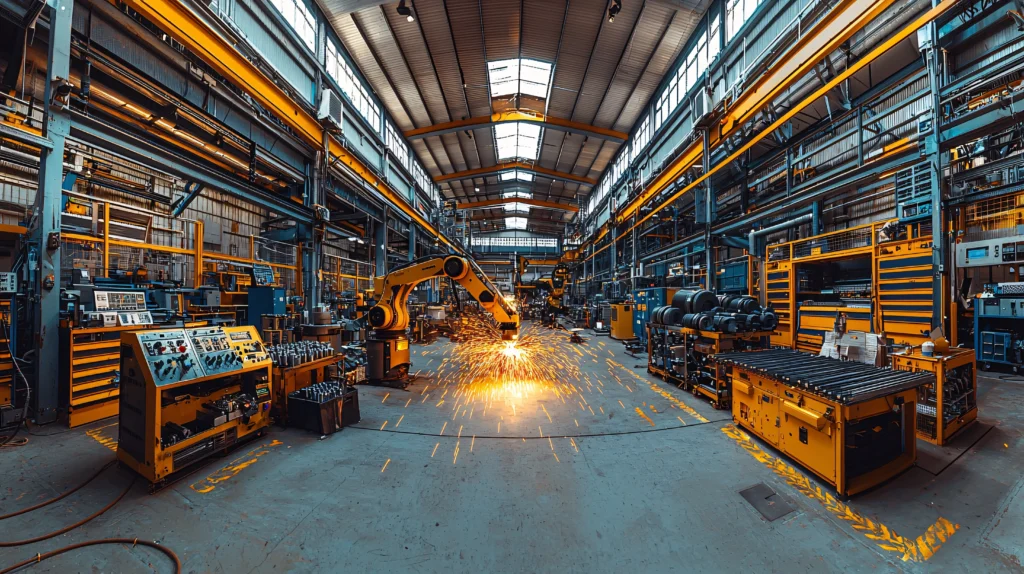
As “carbon neutrality” becomes a shared goal for the global manufacturing industry, green transformation is no longer an optional proposition but a core competitiveness for enterprises to achieve long-term development. From the innovative application of recycled fabrics to technological breakthroughs in degradable silicone, from the widespread adoption of energy-efficient injection molding equipment to the establishment of carbon footprint tracking systems, we are deeply integrating the concept of sustainability into the three major processes of sewing, injection molding, and silicone, and interpreting the development philosophy of “quality and responsibility go hand in hand” through environmental practices.
Environmental Commitment: Reduce production energy consumption by 30% by 2025, and achieve 100% recyclable or degradable core products by 2030
1. Process Innovation: Green Technological Breakthroughs in Three Fields
1.1 Sewing Process: Dual Drivers of Recycled Materials and Energy-Efficient Equipment
The “circular revolution” in the sewing workshop has been fully implemented. We have collaborated with Italian recycled fabric suppliers to convert recycled PET plastic bottles into high-strength recycled polyester fibers—for every 1,000 outdoor backpacks produced, approximately 2,000 kilograms of carbon emissions can be reduced and 30,000 liters of water can be saved. To address the issue of non-degradable traditional sewing threads, we have developed plant-based polylactic acid (PLA) sewing threads, whose biodegradation rate in the natural environment can reach over 90%. Equipped with energy-efficient servo sewing machines and waste heat recovery systems, the workshop’s energy consumption has been directly reduced by 45%. The relevant product lines have won the EU “Eco-Design” certification, and their sales in the European market have increased by 28% year-on-year.
1.2 Injection Molding Process: Synergistic Carbon Reduction through Mold Optimization and Closed-Loop Production
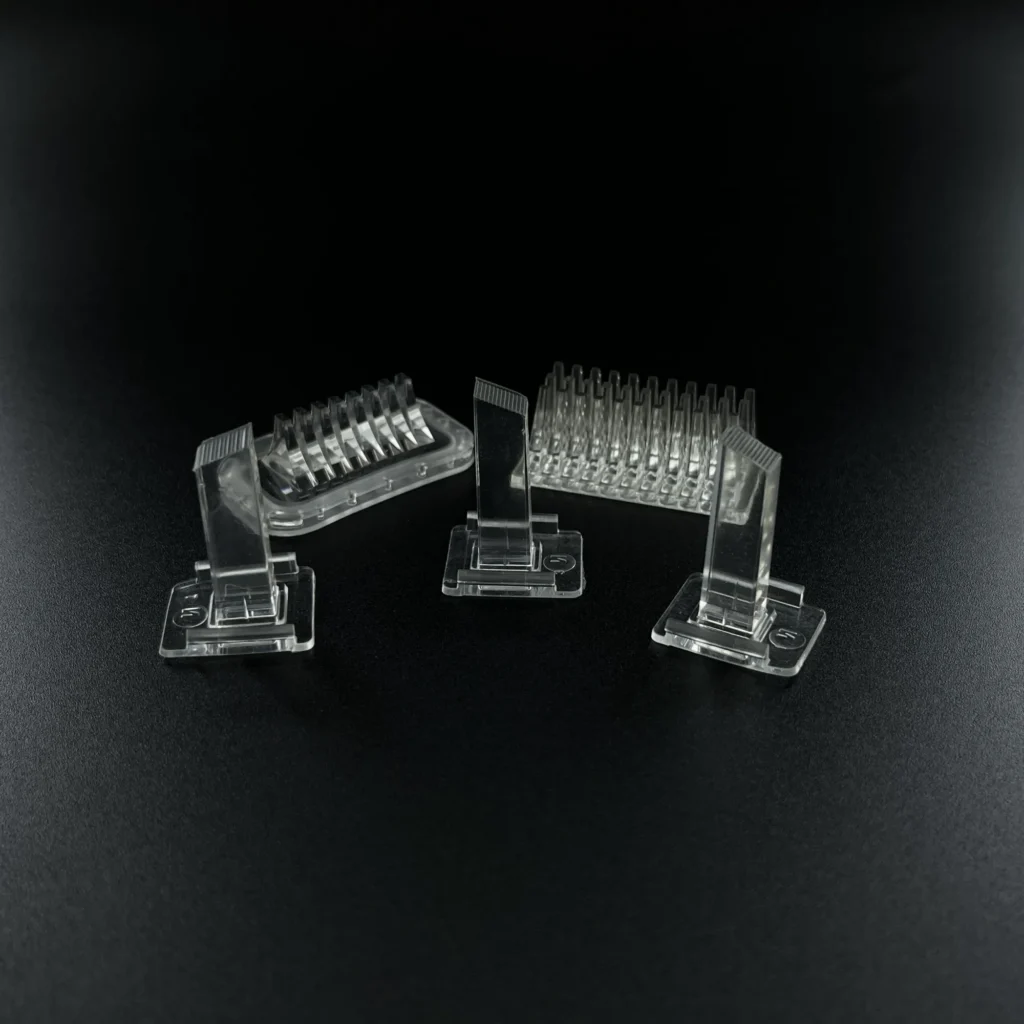
The injection molding process drives carbon reduction through the dual engines of “mold + material”. The “lightweight mold” developed in collaboration with German institutions reduces steel consumption by 40% while ensuring strength, and nano-coating technology extends the mold life to over 1 million cycles. The “PCR (Post-Consumer Recycled) plastic solution” reshapes recycled home appliance casings into medical-grade components, with a material utilization rate of 98%. A closed-loop energy-saving model is implemented in the production process: intelligent equipment adjusts energy consumption in real-time and automatically switches to standby mode when idle; production wastewater is recycled for equipment cooling after treatment, with a water recycling rate of 95%; injection molding waste gas is purified through an activated carbon adsorption + photocatalytic oxidation system, with a harmful substance removal rate of over 99%. These measures have not only enabled us to pass the upgraded ISO 14001 environmental management system certification but also reduced the comprehensive production cost by 15%.
1.3 Silicone Process: Degradable Formulas Solving the Industry’s Environmental Challenges
The silicone field has overcome the industry pain point of “difficulty in degradation”. After two years of research, our R&D team has launched “bio-based degradable silicone”, which uses corn starch to replace part of petroleum-based components. This silicone can be completely degraded within 18 months under industrial composting conditions while maintaining its original physical properties. The formula has been applied to maternal and infant products and disposable medical silicone components, and has obtained dual safety certifications from the US FDA and EU EFSA. The production end has been upgraded to a closed vulcanization system, reducing VOCs emissions by 90%; electric heating replaces natural gas, and combined with waste heat recovery, the energy consumption of vulcanization is reduced by 50%. The scrap recycling mechanism further realizes a closed-loop cycle of silicone materials.
2. Ecological Collaboration: Full-Chain Carbon Reduction from Supply Chain to Customers
2.1 Supply Chain: Establishing a Green Partner Evaluation System
We have established a “Green Supplier Evaluation System” based on 6 key dimensions, screening partners from core indicators such as environmental qualifications and carbon footprint data. Core partners are required to complete carbon footprint verification by 2024 to control environmental quality from the source. At the same time, we have established in-depth cooperation with recycled material and energy-efficient equipment suppliers to build a stable supply network for green raw materials.
2.2 Customer End: Customized Carbon Reduction Service Solutions
For overseas customers, we have launched a “carbon footprint labeling” service, providing full-life-cycle carbon emission reports from raw material extraction to finished product delivery. Customized environmental solutions are accurately adapted to regulations in different regions, and a “carbon reduction sharing account” is set up for long-term customers, with carbon reduction volumes generated from cooperation credited to the customers’ carbon assets in proportion. Currently, more than 30 European and American customers have achieved a 20%+ reduction in product carbon emissions through our solutions, building a win-win pattern for enterprises, customers, and the environment.
3. Future Commitment: Fulfilling the Sustainable Mission through Continuous Innovation
3.1 Clear Phased Goals: Quantifying the Sustainable Development Path
We have set clear phased environmental goals: reduce production energy consumption by an additional 30% on the existing basis by 2025, with workshop photovoltaic coverage reaching 50%; achieve 100% recyclable or degradable core products by 2030, and reduce carbon footprint by 50% compared with 2020, contributing to the global “carbon neutrality” goal.
3.2 Focus on Cutting-Edge Innovation: Layout for Future Green Technologies
In the future, we will continue to increase investment in environmental protection R&D, focusing on cutting-edge directions such as solar-driven production, more efficient biodegradable materials, and carbon capture technologies. At the same time, we will link global scientific research institutions and industry partners to build a green manufacturing technology sharing platform, promoting the transformation of the entire manufacturing industry towards a low-carbon and circular future. If you are looking for a manufacturing partner with both quality and environmental responsibility, we look forward to working with you to build a green industrial ecology.
